








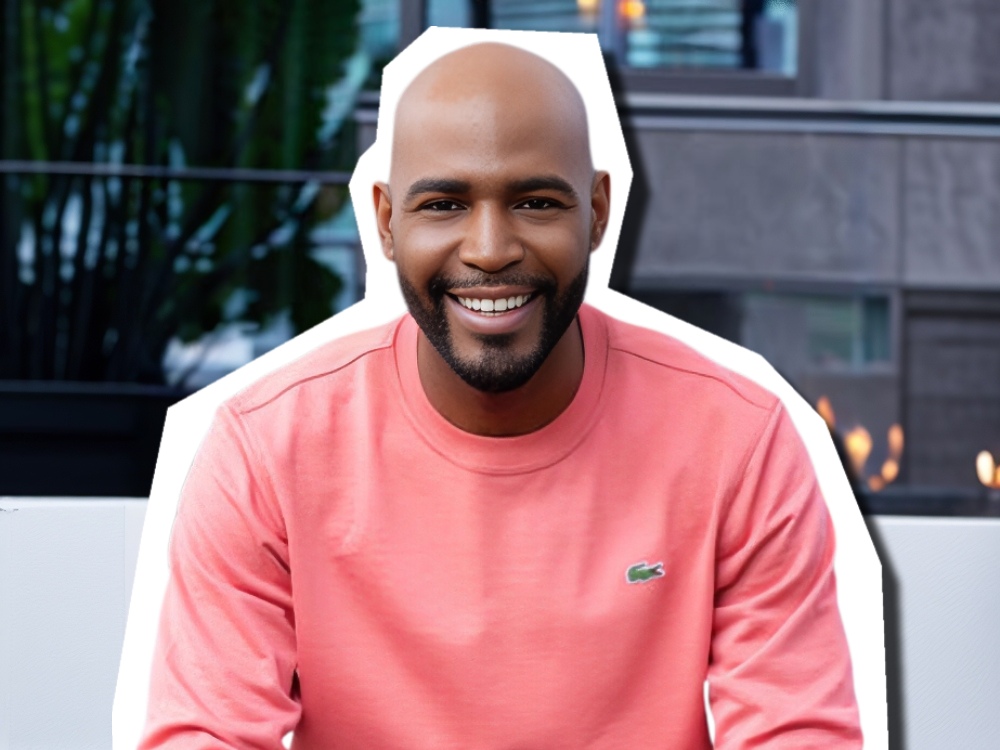

Karamo Brown has shared another allegation about his experience behind the scenes of Queer Eye, claiming an executive threatened to fire him during the Netflix show’s first season.
The 45-year-old television personality recounted the alleged confrontation while appearing at ViewerCon in Newark, New Jersey, on 18 July. The event brought together figures from television, film and popular culture for a series of public conversations.
Brown claimed the incident happened after he brought one of the programme’s makeover subjects to tears during the second episode of season one.
“On my show, season one, episode two, I had made the person cry. And it’s now become something part of… People know I’m going deep… get to the core of it.
“And there was a white executive that came into the trailer in front of like 25 people and said, “If you make one more mother-f****** person cry, you are f****** fired! You are worthless… you ain’t got… don’t you f****** do it! You are f****** nothing!
“I can talk about this… because everyone has confirmed it. They said, ‘Yeah, we were there.’ And he said, ‘If you do this one more time, I promise you, you are f****** never going to work in this town again.’”
Brown did not publicly identify the executive. The claims remain his account of the confrontation, although he said other people who were present had confirmed witnessing it.
Brown Says He Refused to Change His Approach
Brown served as Queer Eye’s culture expert, regularly leading emotionally vulnerable conversations about relationships, confidence, family and personal trauma.
He said he decided to continue working in the same way despite the alleged threat.
“And so I said, ‘Well, listen, I got to just do what I do.’ If you think you have that much power to [not have] me work in town, then I’m not in the right business because you don’t ordain my step. So… I gotta do what I do.
“And I went back to set and I did it again. And the person cried, and the person cried, and they were p*****.”
According to Brown, executives repeatedly discouraged him from taking the programme in such an emotional direction during its early production.
However, he said that approach later became central to the show’s public identity.
“We Won Emmys Off of This Idea”
Brown pointed to the marketing campaign for Queer Eye’s second season as evidence of the shift.
“After being told not to make people cry, after them trying to cut it out, season two came out and the billboards all read, ‘We’re not crying, you are.’ And then from season two on, every network conversation was, ‘How do we get this to be more emotional? How do we get to the heart?’
“We won Emmys off of this idea that we can get to the heart. Which is what they fought against every day publicly, not just privately, me not doing.”
The Netflix revival became known for combining lifestyle transformations with emotional conversations between its hosts and the people featured in each episode.
Brown said being criticised for the approach that would eventually become one of the programme’s defining qualities affected his confidence.
“That breaks you down because… even though you’re trying to be strong, you have people trying to tell you to question yourself. That’s what hurt so much because I knew that I was doing right, I knew I was being true but then I had people telling me that I was not worth it.”
Claims Follow Queer Eye Press-Tour Fallout
Brown’s latest allegations follow months of public discussion about tensions surrounding the tenth and final season of Queer Eye.
In January, he unexpectedly withdrew from planned appearances alongside Antoni Porowski, Jonathan Van Ness, Tan France and Jeremiah Brent on CBS Mornings and Today with Jenna & Sheinelle.
His assistant said at the time that Brown was concerned about being bullied and believed he had experienced mental and emotional abuse over several years. His co-stars said they were surprised by his absence but publicly supported his decision to prioritise his mental health.
Brown shared a statement encouraging viewers to remember the message he had tried to promote throughout his time on the show.
“I hope everyone remembers the main theme I have tried to teach them over the past decade, which is to focus on and to protect their mental health/peace from people … who seek to destroy it.”
He later spoke more extensively about what he described as toxicity and bullying involving both cast members and production staff. Brown said publicly sharing his version of events had left him feeling freer and more positive about his life after the programme.
The tenth and final season, set in Washington, DC, premiered in January and brought Netflix’s eight-year revival of the makeover series to an end.
Brown’s ViewerCon comments suggest the difficulties he says he experienced began during the programme’s earliest episodes — long before the tensions surrounding its final promotional campaign became public.