Dr Mataroria Lyndon answers your health-related questions.
I am in my thirties and have only recently come out after leaving the church. I wanted to understand the risks of contracting HIV and developing AIDS as a practising gay man. What can I do to avoid getting HIV? What happens if I do get it? How will I know if I have contracted it? Could I die from it? And what does life with HIV look like?
Thank you for writing in, and congratulations on coming out. That takes courage, especially after leaving a community that may have shaped how you think about sex and your health. Asking these questions is a great first step.

HIV And AIDS: What’s The Difference?
Let’s start with the difference between HIV and AIDS. HIV is a virus that affects your immune system. AIDS is the most advanced stage of HIV, which can develop if HIV goes untreated. Thanks to modern treatment, people diagnosed early who stay on treatment are very unlikely to ever develop AIDS.
How To Avoid Getting HIV
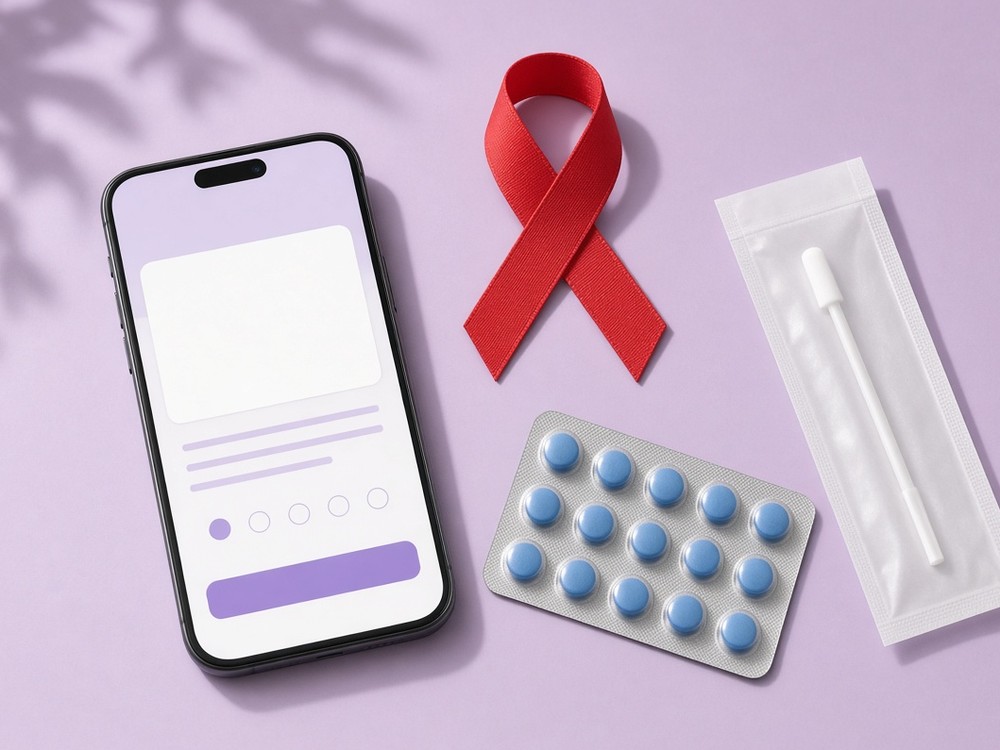
The good news is that HIV is highly preventable. PrEP is medication that is highly effective at preventing HIV when taken as prescribed, and it’s publicly funded in New Zealand for people who meet the clinical eligibility criteria. Condoms with water-based or silicone-based lube also protect against HIV and reduce the risk of other sexually transmitted infections (STIs); just avoid oil-based lube, which can damage latex condoms.
If You Think You’ve Been Exposed
If you think you’ve been exposed to HIV, PEP (post-exposure prophylaxis) is an emergency medication that can prevent infection if started within 72 hours, ideally within 24 hours. PEP is publicly funded for people who meet the eligibility criteria and can be accessed through GPs, urgent care clinics and emergency departments. Ask for PEP by name, and go as soon as you can.
Testing And Knowing Your Status
Some people develop flu-like symptoms soon after acquiring HIV, while others have no symptoms at all. The only way to know for sure is to get tested. If you have new or multiple sexual partners, regular HIV and STI testing is important, often every three months, depending on your risk.
Treatment And U=U
If you test positive, you’ll be supported to start treatment, usually involving daily medication, which is funded in New Zealand. Treatment works by reducing the amount of virus in your body to undetectable levels. When someone living with HIV has maintained an undetectable viral load for at least six months and stays on effective treatment, they cannot pass HIV on through sex. This is known as U=U (Undetectable = Untransmittable), and it’s one of the most important advances in HIV care.
So, could you die from it? If left untreated, HIV can progress to AIDS and become life-threatening. But today, people diagnosed early who stay on effective treatment can expect to live long, healthy lives. That’s why testing and early treatment are so important.
Life With HIV Today
Life with HIV today can look much like life without it. People living with HIV work, travel, date, have fulfilling relationships and raise whānau, alongside taking medication and having regular health check-ups.
Most importantly, being gay doesn’t mean you’ll get HIV, and living with HIV doesn’t mean giving up a healthy, fulfilling sex life. With the right information, prevention and healthcare, you can enjoy sex and relationships with confidence.
You don’t have to navigate this alone, either. Burnett Foundation Aotearoa (burnettfoundation.org.nz) offers free HIV testing and peer support, while Body Positive (bodypositive.org.nz) provides support for people living with HIV.
At Tend, you can discreetly book an STI screening, including HIV testing, or a PrEP consultation through the Tend app. You don’t need to be enrolled, and our clinicians are here to support you without judgement.
Download the Tend app or visit tend.nz
Got a health-related question for Dr Mataroria Lyndon to answer? Email: ask@gayexpress.co.nz