








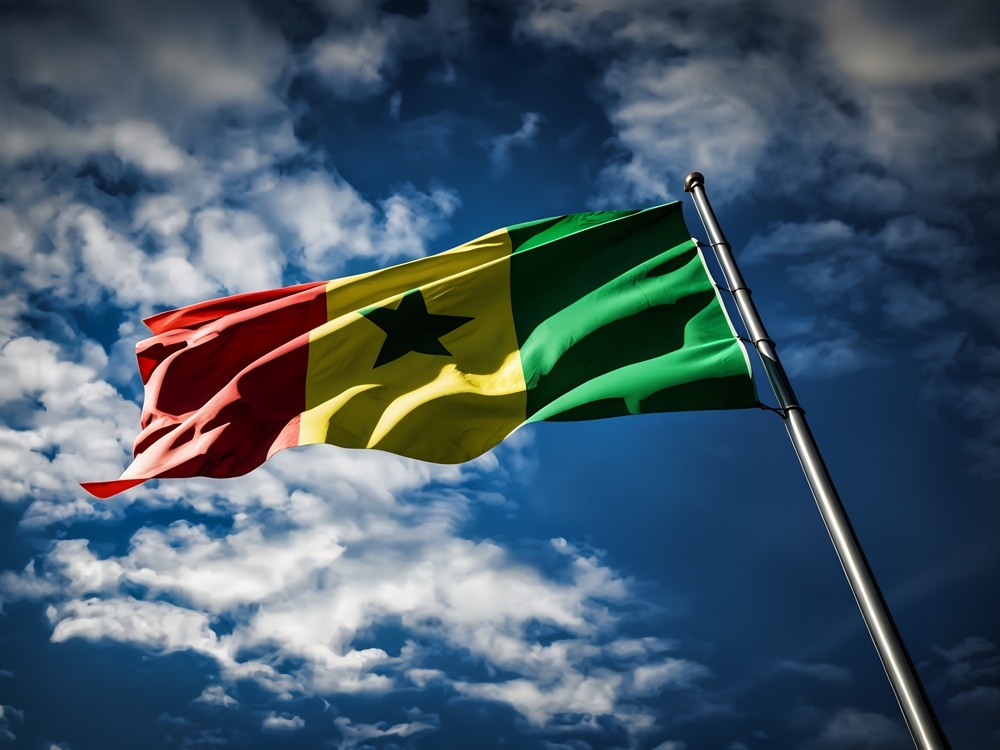

Senegal’s lawmakers have continued their crackdown on LGBTQ+ rights, this time by constitutionally outlawing same-sex marriage.
On 29 June, the West African country’s National Assembly voted to amend the Constitution to define marriage exclusively as “the union between a man and a woman”. The measure passed unanimously, with 129 votes in favour and none against.
While Senegal’s Constitution previously did not specify the gender or sex of people entering a marriage, same-sex marriage has never been legal in the country.
The constitutional amendment effectively blocks any future attempt to introduce marriage equality through ordinary legislation.
Constitutional amendment targets marriage equality
A Senegalese political observer told Erasing 76 Crimes that the constitutional change was aimed at reassuring the public that the ruling PASTEF party would continue pursuing an anti-LGBTQ+ agenda.
The observer added that the move could also help rally the party’s base following political tensions and internal rifts involving former Prime Minister Ousmane Sonko.
The amendment follows a wider constitutional reform package passed by Senegal’s National Assembly, which has also been at the centre of political tensions between President Bassirou Diomaye Faye and Sonko, now president of the National Assembly.
For LGBTQ+ advocates, however, the marriage amendment is another clear signal that queer people are being pushed further to the margins.
Broader crackdown on LGBTQ+ rights
The constitutional change comes after Senegal introduced harsher anti-LGBTQ+ criminal penalties earlier this year.
In March, Senegal’s National Assembly passed legislation doubling the maximum prison sentence for same-sex sexual activity from five years to 10 years, while also criminalising the “promotion” or financing of homosexuality.
President Bassirou Diomaye Faye later approved the law, which also increased fines and expanded the definition of “acts against nature” to include homosexuality, bisexuality and “transsexuality”.
Human rights groups have warned that the changes deepen an already hostile climate for LGBTQ+ people in Senegal, where arrests, public hostility and political scapegoating have intensified.
The Human Dignity Trust says there is substantial evidence of Senegal’s anti-LGBTQ+ laws being enforced, with LGBT people frequently facing arrest, arbitrary detention, discrimination and violence.
West Africa’s anti-LGBTQ+ wave
Senegal’s latest move forms part of a growing wave of anti-LGBTQ+ legislation across West Africa.
Recent years have seen countries including Burkina Faso, Mali, Ghana and Niger introduce or strengthen laws targeting LGBTQ+ people and organisations.
In Niger, new penal code provisions have led to reported arrests and warnings from human rights groups that LGBTQ+ people are being forced into hiding.
In Senegal, the constitutional marriage ban now adds another layer to the country’s expanding anti-LGBTQ+ framework.
For queer Senegalese people, the message from lawmakers is stark: not only are same-sex relationships criminalised, but the possibility of future marriage equality is being written out of the Constitution itself.