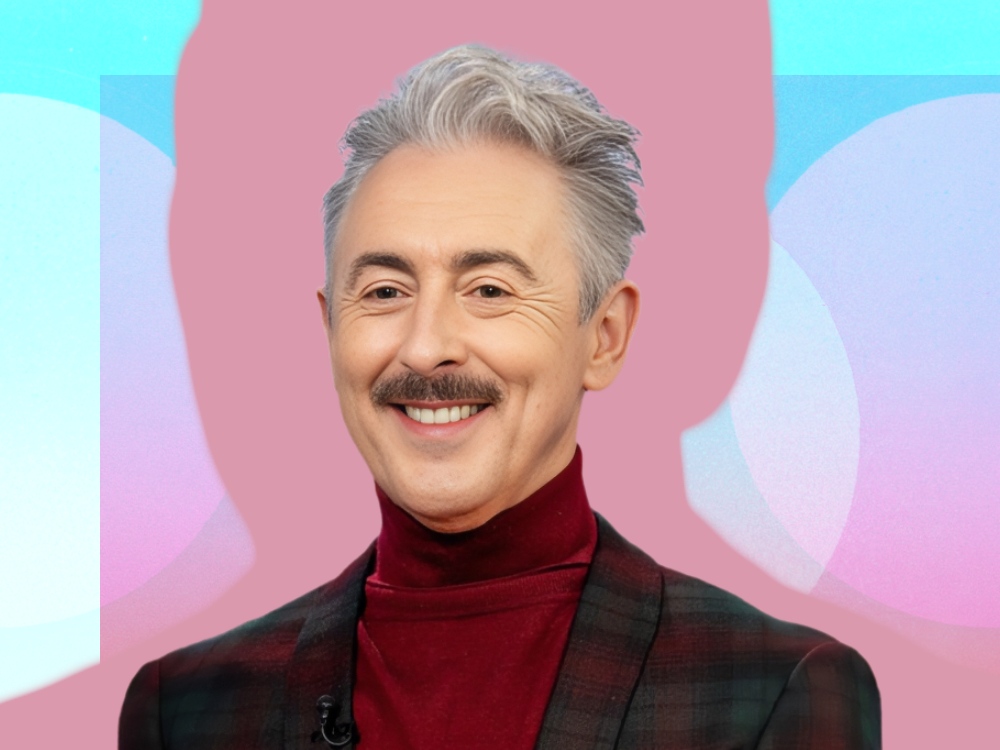












Clay Aiken has opened up about a painful moment from 2006, saying he “died inside” after Rosie O’Donnell effectively outed him on national television before he was ready to publicly identify as gay.
The former American Idol star revisited the incident during an appearance on Page Six Radio, describing that period as part of “the most catastrophic week” of his life.
It began when Aiken guest-hosted Live With Regis and Kelly and jokingly put his hand over Kelly Ripa’s mouth.
Ripa responded: “I don’t know where that hand’s been, honey.”
The remark soon became a national talking point.
‘You Say Defended, I Say Outed’
Days later, O’Donnell discussed the exchange on The View and characterised Ripa’s comment as homophobic.
“From where I sit as a gay person in the world, I have to tell you, that’s how it came off to me,” O’Donnell said at the time.
Ripa called into the programme and rejected that interpretation.
Looking back now, Aiken says the moment landed very differently for him.
“You say defended, I say outed,” he told Page Six Radio.
“I died inside a lot that week.”
At the time, Aiken had not publicly come out.
He said he was asleep in Los Angeles when his friend Jaymes Foster woke him with the news.
“You need to wake up because Rosie just outed you on The View,” he recalled her telling him.
“I woke up. I was freaked out.”
Coming Out Was Still His Story To Tell
Aiken would not publicly identify as gay until nearly two years later.
In September 2008, he appeared on the cover of People under the headline: “Yes, I’m Gay.”
By then, Aiken had become a father and said he no longer wanted to hide that part of himself.
His recollection of the 2006 incident highlights an important distinction that remains relevant today.
Calling out homophobia can be well-intentioned.
But publicly identifying someone as gay, bisexual or queer before they have chosen to do so can still take away their control over deeply personal information.
Aiken says he understood that O’Donnell was trying to defend him.
That did not make the experience less painful.
‘She Did Mean Well’
Despite how strongly the moment affected him at the time, Aiken says he does not hold a grudge against O’Donnell.
“I don’t have any ill feelings against Rosie,” he said.
“She did mean well.”
He suggested her comments came in the heat of the live television exchange and were not intended to cause him harm.
The controversy followed him throughout that week.
Later that same day, Aiken appeared at the American Music Awards with Tori Spelling to introduce John Mayer.
According to Aiken, Spelling suggested they make light of the situation by recreating the hand-over-mouth gag on stage.
The joke may have helped diffuse the immediate media storm, but Aiken says the wider experience was much harder to process privately.
A Different Era Of Celebrity Coming-Out
The incident also reflects how aggressively celebrity sexuality was treated by entertainment media in the 2000s.
Aiken’s sexuality had already been the subject of years of speculation before he came out, with interviewers repeatedly asking him direct questions about whether he was gay.
For LGBTQ+ public figures, that era often blurred the line between legitimate reporting and treating someone’s sexuality as a puzzle the media was entitled to solve.
Aiken eventually came out on his own terms.
But his comments now underline why that timing mattered.
Even when the person doing the outing believes they are helping, the right to decide when and how to come out still belongs to the individual.
Nearly 20 years later, Aiken says the episode rarely crosses his mind.
But when he remembers that week, the feeling is still clear.
He simply was not ready.