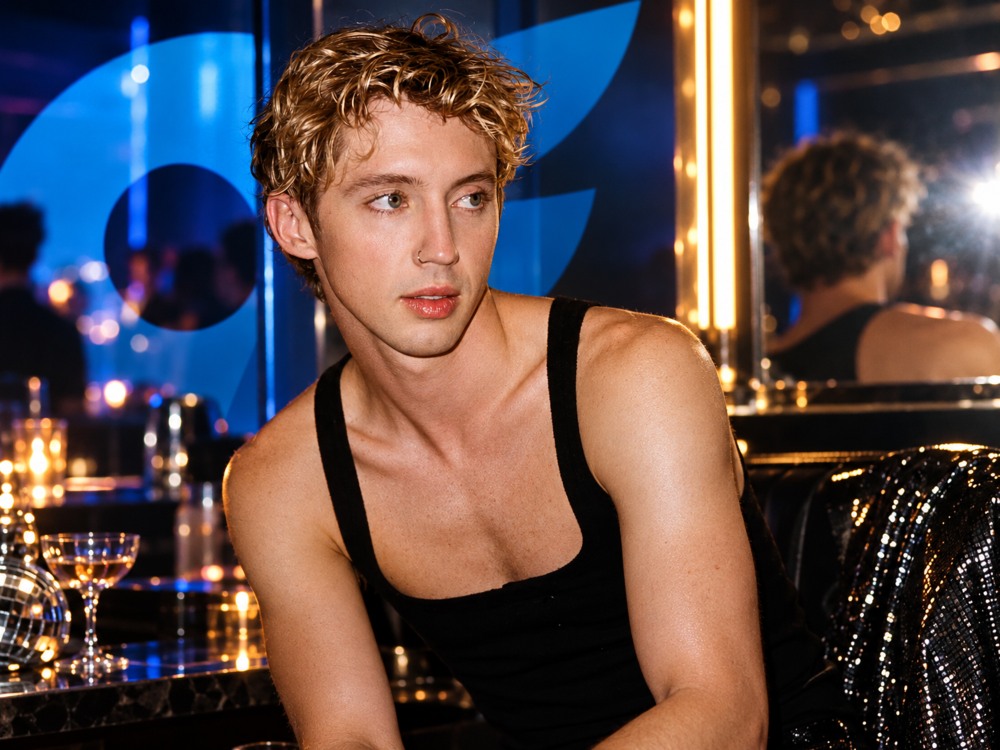










Forty-five minutes from central Wellington, Leilani Sio (they/them) has found a place where they can disappear.
They live in a small village on the Kāpiti Coast, close enough to Pōneke for their work at Experience Wellington but far enough away to enjoy a degree of anonymity. The ocean is central to life there. Sio swims year-round with a local group they affectionately call “The Mermaids”, adding that they are the resident “Merperson”.
“They’re mostly older women who unknowingly challenged my perspective on ageing and navigating your twilight years,” Sio says. “Winter is my favourite season to get to the moana, and I do it to keep sane.”
As a Public Programmes Specialist for Experience Wellington, Sio creates ways for people to connect with museum collections, exhibitions and stories from the capital. Sometimes that means a talk or mini film festival. Other times it means handing more of the creative power to communities themselves, as with Chosen Family Night during Wellington Pride Festival.
“Public Programmes Specialist is just a fancy way of saying I create ways for people to connect,” they explain.
The breadth suits them. “There’s no right way or wrong way of doing this job, there are no rules and yes, it is broad, and for my ADHD brain it’s a marriage made in heaven.”
Sio admits to constantly scheming ways to “reinvent the wheel”, but experience has also taught them that bigger does not necessarily mean better. Some of the programmes they are proudest of have simply created a room in which people can “come, listen, share and absorb”.
For Sio, those spaces matter particularly when they allow rainbow and Pacific communities to encounter their own histories.
“That it is my responsibility to help manifest change and steer the course of our community’s lives for the better,” they say. “This is my contribution, and currently it’s the best way I know how to ‘tautua’ to my village.”
They intend to keep doing it until a new generation takes over, they get too old, or, ideally, “until it is normalised and we no longer need the platform or space”.
Museums themselves are changing too. Sio is candid about the colonial foundations of institutions that historically determined whose objects, lives and stories deserved preservation.
“Are we there yet? No, but I’m incredibly hopeful or delusional. Take your pick,” they laugh. “Community-led programming is the transition and change from the museum’s colonialist roots.”
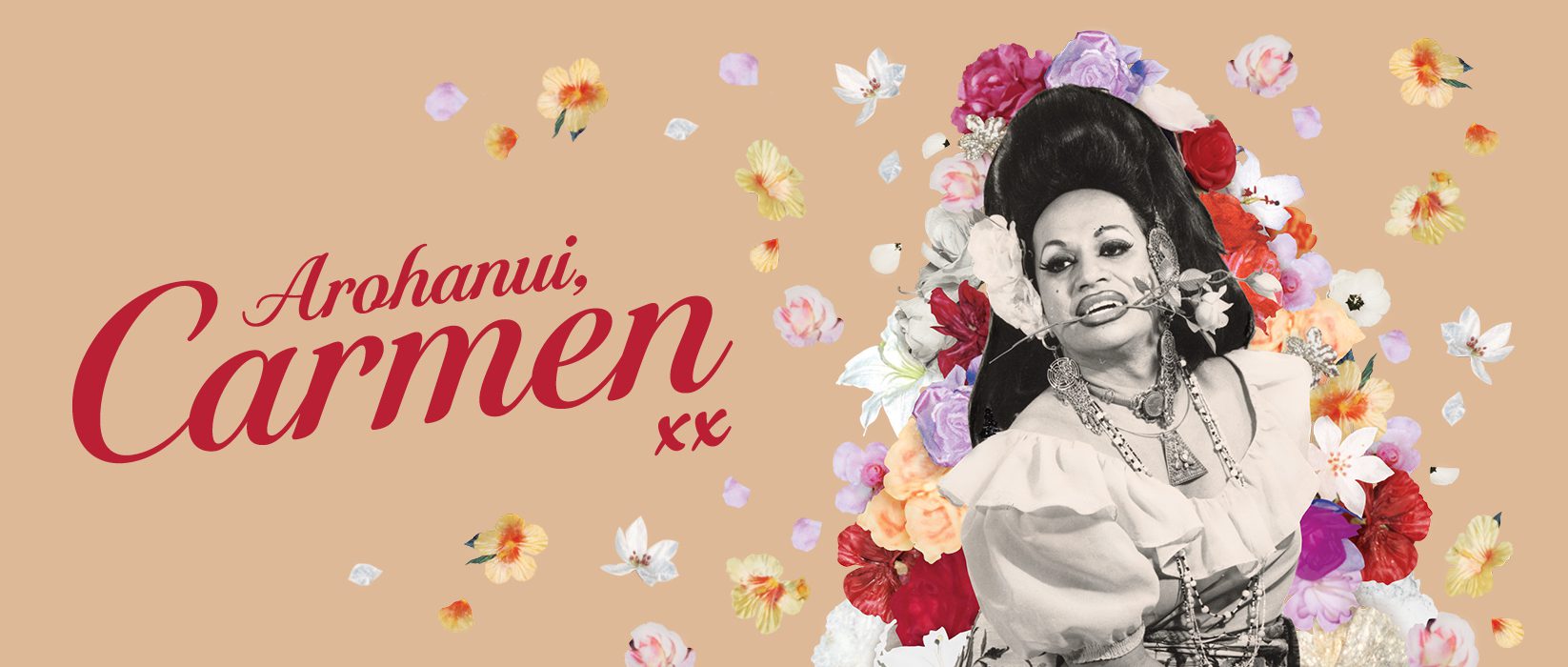
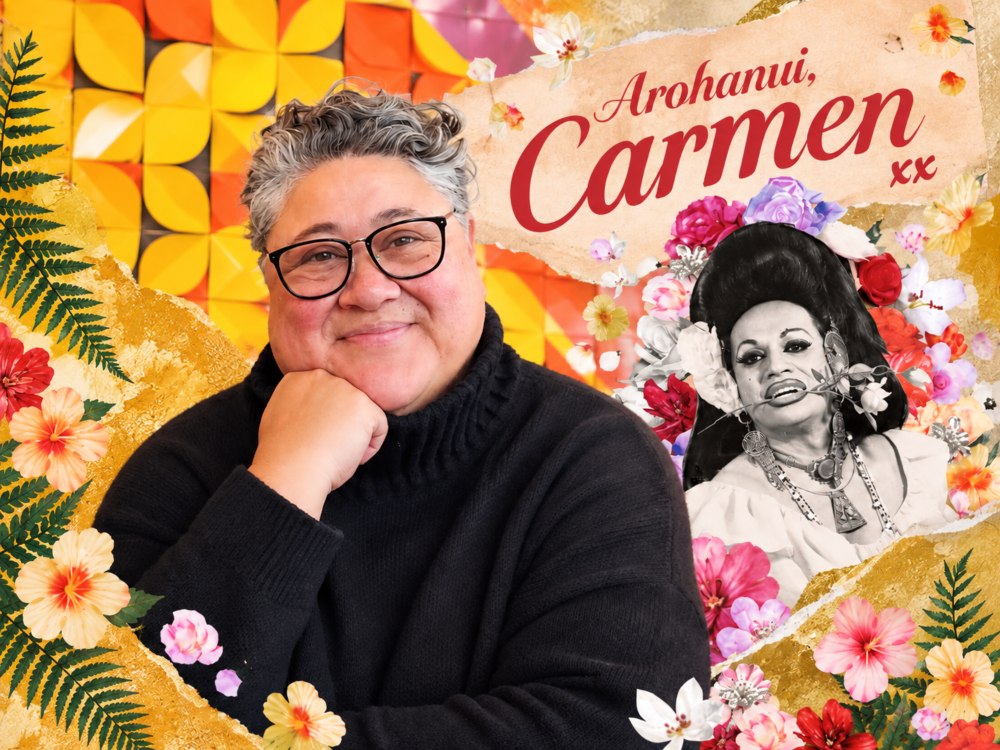
Now Sio is taking another step in that journey. Alongside Wellington Museum’s Senior Māori Curator Dr Jamie Metzger, they are co-curating an exhibition on one of the capital’s most enduring queer icons, Carmen Rupe, opening this October.
Carmen’s extraordinary Wellington years included the International Coffee Lounge on Vivian Street, the flamboyant Balcony nightclub, numerous other businesses and a headline-making run for mayor in 1977. She also became known for protecting and supporting people on the margins, including transgender people entering sex work or navigating transition.
But Sio’s relationship with Carmen’s story began long before this exhibition.
“I grew up hearing about Carmen through my mum, and through the queens in Wellington who would mention her when the occasion rose,” they say.
Their path towards Carmen also runs through another beloved Wellington figure, Chrissy Witoko, whose Evergreen Coffee House became a haven for rainbow communities during the 1980s and 1990s. Sio previously helped create a Wellington Museum programme remembering Chrissy and the Evergreen.
“If it was not for this place and people like Gaye Hawkins and Des Cooper especially, I think I would have ended up a statistic,” they say of Evergreen.
Having dropped out of school at 14 while struggling with experiences they were not yet equipped to process, as well as their sexuality and gender, they describe Evergreen as “a lighthouse in what was a very, very dark place”.
That history helps explain why the Carmen exhibition feels like more than another project.
“I feel privileged to be researching Carmen’s story,” Sio says. “It’s an honour because she’s our origin story as a collective, as a community, and she’s Māori.”
They are especially interested in pushing beyond the familiar image of Carmen as big hair, fabulous clothes, coffee lounges and political provocation.
“It depends on what lens you are looking through,” Sio says. “If you put it through a Māori lens, how does it vibe now? A whakawāhine lens? Takatāpui?”
What has struck them most is how strongly Carmen’s Māori values flowed through what she built.
“What she achieved with the lounge and The Balcony provides a bar for all of us to follow,” Sio says.
For someone whose work is about using history to help communities understand themselves, Carmen could hardly be a more fitting subject.
“To better self-reflect and inform the future as a community, our history is a way of holding up the mirror.”
This October, Sio is helping Pōneke look into it.