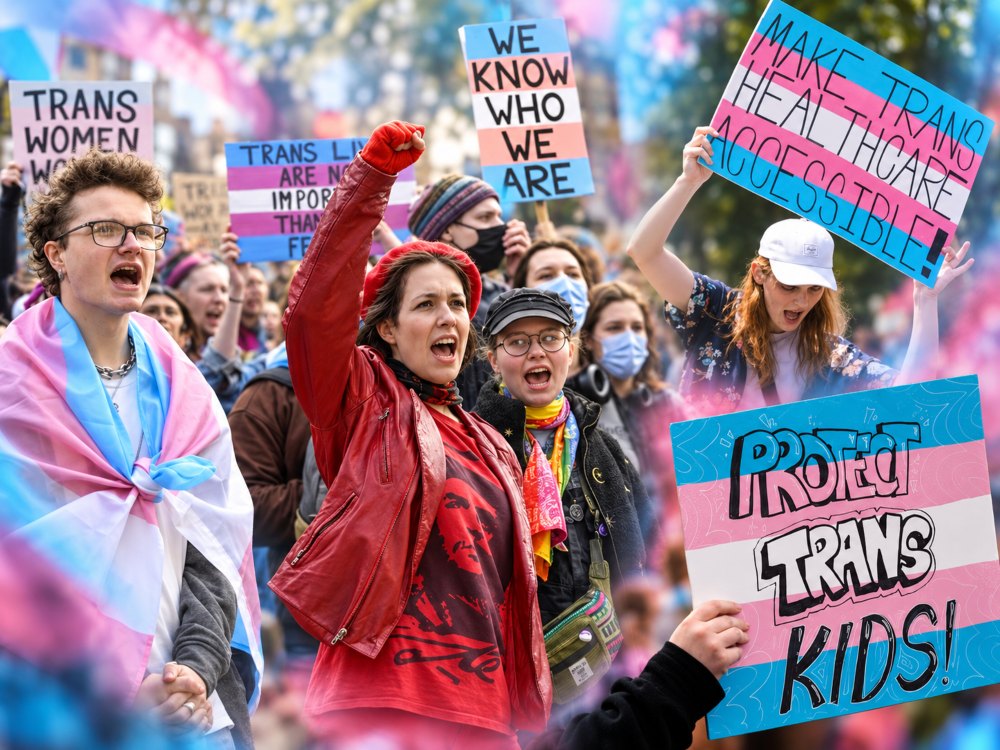









Western Australia has introduced a sweeping overhaul of its equal-opportunity laws that would stop religious schools from sacking teachers or expelling students because of their sexuality, while also creating new protections against vilification.
Western Australia is moving to close some of the biggest gaps in its anti-discrimination laws, with the Cook Labor Government introducing legislation that would strengthen protections for LGBTQ+ people across schools, workplaces and public life.
The Equal Opportunity Bill 2026 would replace and modernise the state’s decades-old Equal Opportunity Act 1984.
Under the proposed reforms, religious schools would no longer be able to dismiss teachers or expel students because of their sexuality. Attorney-General Dr Tony Buti said religious institutions would retain an exemption relating to religion itself, but not sexual orientation.
“The exemption is purely on religion, not on sexual orientation,” Buti said.
That distinction is significant for LGBTQ+ teachers and students who have historically faced the possibility that religious exemptions could override protections that would apply in other schools.
New protections against anti-LGBTQ+ vilification
The bill would also, for the first time, allow Western Australians to make complaints to the Equal Opportunity Commissioner over vilification based on:
- disability
- race
- religion
- sexual orientation
- gender identity
- sex
The WA Government says the reform is designed to address abuse, threats and serious discriminatory conduct, rather than relying only on remedies after harm has occurred.
For LGBTQ+ communities, that would mean a new civil avenue for responding to targeted vilification in a state where advocates have long argued existing protections lag behind other Australian jurisdictions.
Schools and employers would have new responsibilities
The bill would also impose a more proactive duty on businesses, schools and other organisations.
They would be required to take reasonable steps to eliminate discrimination, harassment and vilification, with expectations taking into account the organisation’s size and available resources.
Schools and employers would also have to make reasonable adjustments for people with disabilities, as well as for employees or students who are pregnant, breastfeeding or have caring responsibilities.
The reforms would therefore extend well beyond LGBTQ+ protections.
They would also make discrimination unlawful in relation to homelessness, family and domestic violence, pregnancy, breastfeeding, caring responsibilities and trade-union activity.
Religious schools remain one of the biggest changes
For LGBTQ+ communities, however, the changes to religious-school exemptions are likely to attract some of the closest attention.
ABC reports that religious schools would still be permitted to make decisions based on religion in some circumstances, but would no longer be able to rely on religious exemptions to discriminate against someone because they are LGBTQ+.
That could affect issues including employment, enrolment and treatment within school communities.
Equality advocates have long argued that LGBTQ+ teachers should not risk losing their jobs because of who they are, whom they love or changes in their personal lives.
Equality Australia legal director Heather Corkhill welcomed the proposal, saying protections should not depend on where somebody lives.
“No teacher should lose their job because they are gay, get divorced or fall pregnant outside marriage, and no student should fear being expelled or denied leadership opportunities because of who they are,” she said.
Broader protections for LGBTQ+ people
The reforms also expand the language used in WA’s anti-discrimination framework.
The existing Act dates back to 1984 and currently protects against discrimination across areas including employment, education, accommodation and services, but the government says the new bill would significantly broaden both the grounds covered and how complaints can be made.
Premier Roger Cook called the proposal the most significant reform of WA’s equal-opportunity laws in four decades.
“Today we are sending a clear message: hate is not okay in WA,” Cook said.
“Nobody should face discrimination or abuse based on their race, religion, sexuality or disability.”
MPs, judges and councillors would lose exemptions
The bill would also remove some long-standing exemptions applying to public office-holders.
If passed, it would become unlawful for judicial officers, MPs and local councillors to discriminate against or harass people who work for or alongside them.
Buti said the reform was about ensuring those groups were subject to the same anti-discrimination expectations as other workplaces.
The legislation would also make it easier to prove sexual-harassment complaints by removing what is known as the “disadvantage test” from the definition of sexual harassment.
Opposition and Greens still examining the bill
The reforms have not yet completed the parliamentary process.
The WA opposition has said it will scrutinise the legislation and consult those affected before determining its position.
The WA Greens have welcomed the direction of the reforms but have also indicated they want to examine the remaining religious exemptions closely.
That means some of the final detail could still change as the bill moves through Parliament.
Part of a wider Australian debate
Western Australia’s legislation arrives as religious-school discrimination remains a live issue across Australia.
Independent federal MP Allegra Spender recently introduced legislation seeking to narrow religious-school exemptions under federal sex-discrimination laws.
At the federal level, the debate remains unresolved, with disagreement over how to balance protections for LGBTQ+ students and workers with religious organisations’ rights to maintain a faith-based character.
WA’s proposal takes a clearer state-level approach: religious institutions may continue making distinctions based on religion, but not sexuality.
A significant shift — if Parliament passes it
For LGBTQ+ Western Australians, the reforms could represent one of the biggest changes to state discrimination law in decades.
They would strengthen protection for queer teachers and students, introduce new avenues to challenge vilification and place greater responsibility on organisations to prevent discriminatory conduct before it happens.
But one distinction matters.
These protections are proposed, not yet in force.
The Equal Opportunity Bill must still pass through Western Australia’s Parliament before the changes become law.
If it does, however, the days when a religious school could legally sack a teacher or expel a student simply because they are gay would be set to end.