






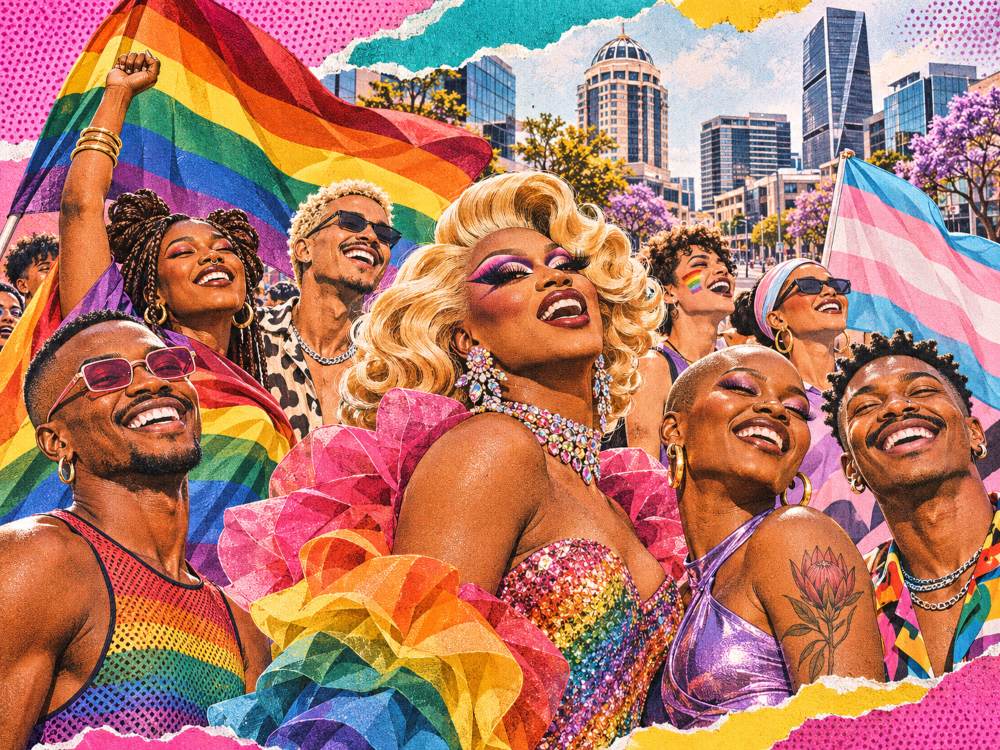

Rainbow flags, fierce fashion and thousands of fabulous LGBTQ+ people took over the streets of Johannesburg as Pride returned to South Africa’s Sandton district for a spectacular celebration of love, visibility and freedom.
Johannesburg Pride 2026 brought colour, music and plenty of queer joy to the city’s bustling business district on Saturday 31 October, as rainbow communities and allies gathered to celebrate the freedom to live authentically.
From extravagant outfits and glittering accessories to powerful messages of equality and acceptance, the streets of Sandton became a vibrant showcase of LGBTQ+ identity and African Pride.
Thousands turned out for the annual event, which has become one of the African continent’s most significant rainbow celebrations.
And if the photographs are anything to go by, Johannesburg certainly knows how to celebrate Pride in style!
Fashion, Freedom And Fabulous Self-Expression
For many attending, Pride was about far more than colourful flags and a fabulous day out.
It was an opportunity to celebrate their identities openly, connect with others and express themselves without fear of judgement.
Speaking to the Sandton Chronicle, attendee Kingsley Carrington summed up the importance of the occasion.
“It means freedom. It means not being apologetic about who you are. Basically, freedom,” he said.
Carrington was among those turning heads with their outfits, wearing dramatic black feathered wings and gold body paint.
Another attendee, Sthembiso Maluleke, said his outfit was inspired by his desire to be seen and celebrated.
He explained that Pride allowed him to embrace his individuality and enjoy being himself.
Throughout the parade, participants wore everything from colourful costumes and sequins to striking makeup, elaborate hairstyles and rainbow accessories.
But beyond the glamour, the message was clear: LGBTQ+ people deserve to be visible, respected and celebrated.
Drag Stars And Community Leaders Lead The Parade
The parade wound through Sandton’s streets, with marchers singing, dancing and chanting as they celebrated LGBTQ+ freedom.
Leading the procession were drag performer Grand Marshal Adam and South Africa’s Deputy Minister for Women, Youth and Persons with Disabilities, Mmapaseka Steve Letsike.
Letsike is also a prominent LGBTQ+ rights activist who has spent years advocating for equality and representation in South Africa.
The parade attracted a diverse crowd, bringing together drag performers, activists, community organisations and rainbow people from across the country.
Transgender activist Yaya Mavundla and radio presenter SelBeyonce were also among the familiar faces attending the event.
Despite the intense spring heat, the streets remained full of energy as participants celebrated together.
Pride Village Keeps The Party Going
Beyond the march, the Pride Village on Katherine Street provided a lively gathering place for the community.
The festival featured entertainment stages, DJs, drag artists, musicians, food vendors and stalls showcasing LGBTQ+-friendly businesses and organisations.
Attendees enjoyed performances, explored community displays and connected with friends throughout the day.
However, not everything went smoothly.
Reporting from Time Out Johannesburg highlighted lengthy entrance queues in temperatures reaching approximately 33°C, with some attendees expressing frustration about delays and food prices.
Despite those challenges, the event remained a major celebration of queer culture and community.
Political parties were also present, engaging with LGBTQ+ voters ahead of South Africa’s local government elections, according to MambaOnline.
Why Johannesburg Pride Matters
Johannesburg Pride has a significant place in LGBTQ+ history.
The city’s first Pride march took place in October 1990, during South Africa’s transition away from apartheid.
It became an important platform for LGBTQ+ visibility and equality, particularly for Black queer South Africans whose experiences were shaped by both racial discrimination and homophobia.
South Africa went on to become the first country to explicitly prohibit discrimination based on sexual orientation in its Constitution.
In 2006, it also became the first African country to legally recognise same-sex marriage.
However, legal protections do not mean that discrimination and violence have disappeared.
LGBTQ+ South Africans continue to report challenges involving safety, social acceptance and equal treatment.
For some, major community events like Johannesburg Pride provide opportunities to express themselves in ways they may not feel comfortable doing in everyday life.
Local reporting from this year’s event highlighted attendees who said they could not safely or openly share their LGBTQ+ identities with their families.
That reality makes the visibility and connection offered by Pride particularly meaningful.
A Celebration That Resonates Beyond South Africa
For rainbow and takatāpui communities in Aotearoa New Zealand, Johannesburg Pride is another reminder of the importance of LGBTQ+ visibility, solidarity and community connection.
While Pride celebrations take different forms around the world, many share a commitment to creating spaces where people can express their identities and celebrate alongside others.
Johannesburg’s 2026 celebrations highlighted the creativity, resilience and diversity of African LGBTQ+ communities, with local voices and experiences firmly at the centre of the event.
From dramatic drag looks to powerful messages of acceptance, the day brought thousands together in celebration of being themselves.
And if there was one message shining through the glitter, music and rainbow flags, it was this: everyone deserves the freedom to live authentically and celebrate who they are.