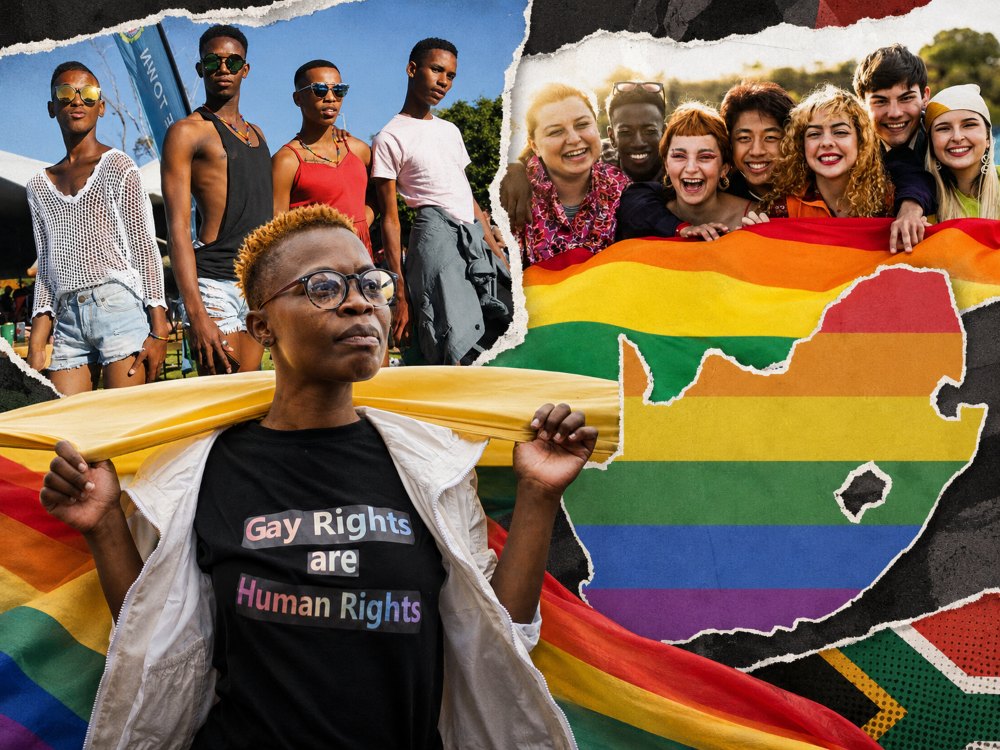











More than six years after Botswana’s courts struck down the criminalisation of same-sex intimacy, the government has now formally removed the discriminatory provisions from the law itself, in a long-overdue legal clean-up that activists say matters both symbolically and practically.
On 26 March, the government published a notice deleting paragraphs (a) and (c) of Section 164 of the Penal Code, the colonial-era “unnatural offences” provision that had long been used to criminalise consensual same-sex intimacy. Those paragraphs punished any person who had “carnal knowledge” of another person “against the order of nature”, or who allowed another person to do so, with penalties of up to seven years’ imprisonment. Following the amendment, Section 164 now applies only to sex with animals.
The change was made by Attorney General and Law Revision Commissioner Dick Bayford, and it finally aligns Botswana’s written law with the landmark 2019 High Court judgment that found the criminalisation of consensual same-sex intimacy unconstitutional. That decision was upheld by the Court of Appeal in 2021, with the courts ruling that the law violated the rights of LGBTQ+ people to dignity, privacy, liberty and equality.
The High Court’s language at the time was especially striking. It said that personal autonomy in matters of sexual orientation and choice had to be respected, and that criminalising love or fulfilment in love diminished compassion and tolerance. The ruling also framed the law as a colonial relic rather than something rooted in Botswana’s own constitutional values.
Local LGBTQ+ organisation LEGABIBO welcomed the amendment, describing it as a necessary and long-overdue step towards restoring dignity and bringing Botswana’s legal framework into line with constitutional principles of equality and human rights. In public comments, the group said the change sends a clear message that LGBTIQ+ people are not criminals and that their lives and relationships deserve protection rather than punishment.
LEGABIBO also stressed that the old provisions were never just symbolic. Even after being declared unconstitutional, their continued presence in the Penal Code helped sustain stigma and fear, and had practical consequences for access to healthcare, safety, employment and the ability to live openly. Removing them does not erase that harm, the group said, but it does create room for healing and further progress.
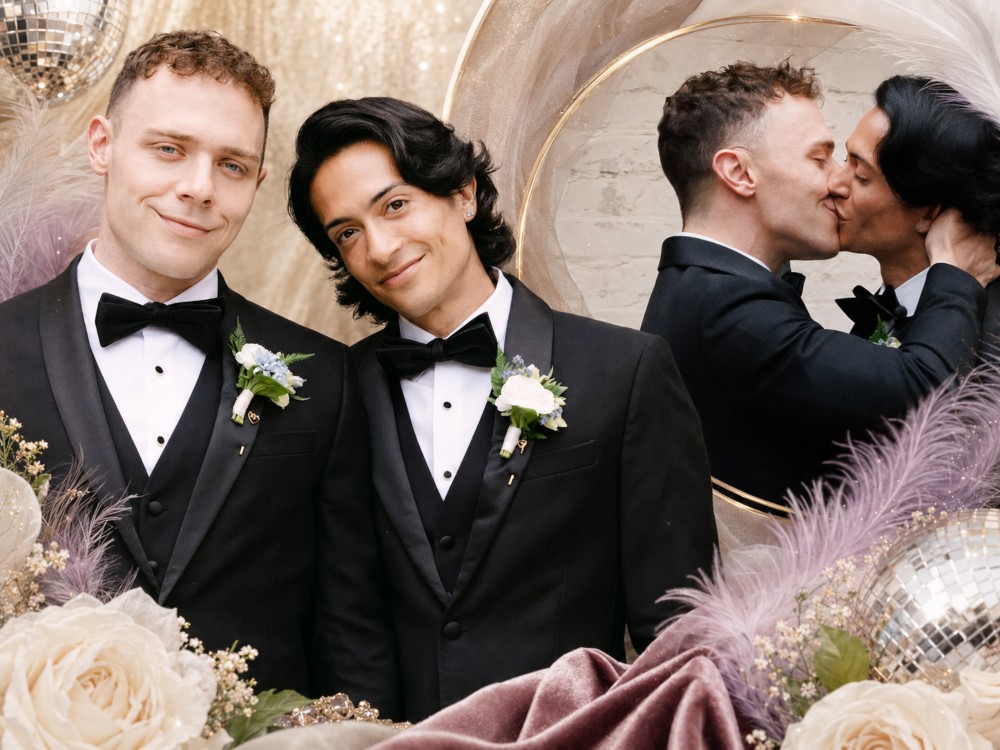
That next stage of progress is already being fought for. A same-sex couple, Bonolo Selelo and Tsholofelo Kumile, are currently challenging Botswana’s Marriage Act in the High Court, arguing that it is unconstitutional to deny them the right to marry. Local reporting says the case has been scheduled for 14 and 15 July 2026 before a full bench of the High Court.
So while the repeal of these provisions is a major and meaningful reform, it is not the end of the story. Botswana has removed one of the ugliest remnants of colonial criminalisation, but the broader fight for full legal recognition and equality is still very much underway. That final point is an inference based on the pending marriage case and the current limits of Botswana law.