









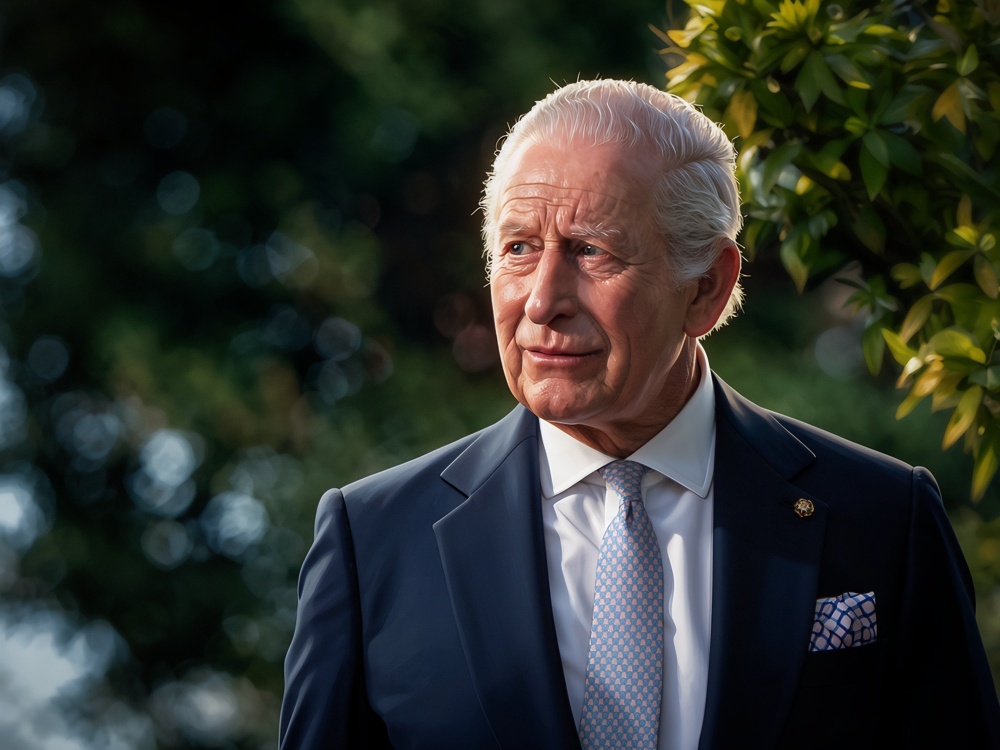

King Charles III has outlined the UK Government’s plan to introduce a ban on conversion therapy, targeting so-called “treatment” relating to both sexual orientation and gender identity.
The pledge was included in this year’s King’s Speech, which sets out the government’s legislative agenda.
“My government will bring forward a bill to speed up remediation for people living in homes with unsafe cladding [Remediation Bill] and a draft bill to ban abusive conversion practices [Draft Conversion Practices Bill],” King Charles III said.
In an addendum to the speech, the government added that “conversion practices are abuse, and the government will deliver the manifesto commitment to bring forward a trans-inclusive ban on conversion practices.”
Although delivered by the monarch, the King’s Speech is written by the government. In this case, it reflects the legislative agenda of the Labour Government led by Prime Minister Keir Starmer.
The policies outlined in the speech are not legally binding, but they indicate what the government intends to prioritise during the parliamentary session.
Years of broken promises
Conversion therapy is a widely discredited practice that has been likened to torture.
In a 2018 UK survey of more than 108,000 respondents, 5% said they had been offered conversion therapy, while 2% said they had undergone it.
While LGBTQ+ advocates have welcomed the inclusion of a trans-inclusive ban in the King’s Speech, many remain sceptical that it will become fully realised legislation.
A UK conversion therapy ban was first promised in 2018 under Conservative Prime Minister Theresa May, when her government said it would bring forward proposals to end the practice.
In 2022, Boris Johnson supported a ban that was not trans-inclusive, following a 2021 government study that suggested banning conversion practices relating to gender identity could be more complex and create “unintended consequences”. That ban was included in the 2022 Queen’s Speech, but did not become law.
Labour’s 2024 general election manifesto included a commitment to ban conversion therapy, with Starmer’s policy becoming the first to explicitly include gender identity. That pledge was also outlined in the 2024 King’s Speech after Labour won the election, but legislation still did not pass.
Stonewall criticises delays
Before this year’s King’s Speech, Stonewall chief executive Simon Blake OBE criticised the repeated failures to deliver a ban.
“Government has committed to publish a draft Bill to ban conversion practices by the end of the parliamentary session which has now come to an end. We have had repeated assurances that the draft Bill will be published, so we remain poised, ready to scrutinize it. But make no mistake that the LGBTQ+ community and allies are disappointed that it hasn’t been published and are understandably acutely nervous that it will not be. Four different Prime Ministers have promised to ban these abhorrent conversion practices, so this is an unacceptable position to be in.”
The Royal College of Nursing also responded to the speech by noting that it has called for a trans-inclusive conversion therapy ban since 2022, but that there have been “years of inaction on this”.
The RCN said it would “urge this government to make progress to ban these harmful practices and ensure people impacted receive the support needed.”
Concerns over loopholes
The Draft Conversion Practices Bill outlined in the notes to the 2026 King’s Speech leaves open potential exemptions around healthcare and religion.
The government said the ban should not “impinge on legitimate healthcare and the range of broader support that those exploring their sexual orientation or gender identity might seek or receive. It is also not intended to interfere with people’s right to religious belief and expression.”
The Bill will also go through pre-legislative scrutiny, allowing expert views from “a range of stakeholders” to inform the approach.
While that process may appear constructive, some LGBTQ+ advocates remain cautious. The UK has faced criticism over how expert evidence has been selected or weighted in previous debates affecting trans rights, including the Cass Review and the UK Supreme Court ruling on the legal definition of “woman”.
Political uncertainty remains
The inclusion of a conversion therapy ban in the government’s agenda may still not guarantee action.
Prime Minister Keir Starmer is reportedly facing pressure after Labour lost ground to Reform UK in recent elections, raising the possibility of future leadership challenges.
One potential contender is Wes Streeting, the out gay MP who recently resigned as health secretary. Streeting has faced significant criticism from trans advocates over his handling of gender-affirming care, including his role in the 2023 puberty blocker ban for trans minors.
The UK debate is also unfolding against a wider international backdrop.
Earlier this year, the US Supreme Court ruled against Colorado’s conversion therapy ban, opening the way for state and local bans to be challenged as unconstitutional.
Meanwhile, the European Union has declined to introduce an EU-wide ban across all 27 member states. Although the European Commission said conversion therapy has “no place in our union”, it opted instead for a non-binding recommendation urging countries to ban the practice themselves.
For LGBTQ+ campaigners in the UK, the latest King’s Speech represents another important promise — but after years of delay, the real test will be whether the government finally delivers a strong, enforceable and genuinely trans-inclusive ban.