









If NZ First’s bill passes into law, InsideOUT Kōaro’s CEO, Judy O’Brien, believes it is not only rainbow New Zealanders who will be hurt by it, but all of us
Vibrant, resilient rainbow rangatahi packed into the iconic queer youth balls hosted across Aotearoa this summer. The Wellington event, a collaboration between Wellington Pride, Massey University, and InsideOUT Kōaro, saw just under 200 young people of all shapes, sizes, and identities dancing, shrieking, and gleefully spinning circles in a momentary world of their own design.
For a cohort more likely than their peers to experience depression, anxiety, and self-harm due to stigma and discrimination, these moments of joy and connection save lives. These spaces emerge in response to the social, cultural, and political choices we make about whose lives are valued and whose rights are defended.
From women’s suffrage to marriage equality, Aotearoa has long taken pride in its egalitarian tradition, in expanding rights and protections rather than restricting them. This is why the recent string of political actions designed to punch down is landing heavily for many people.
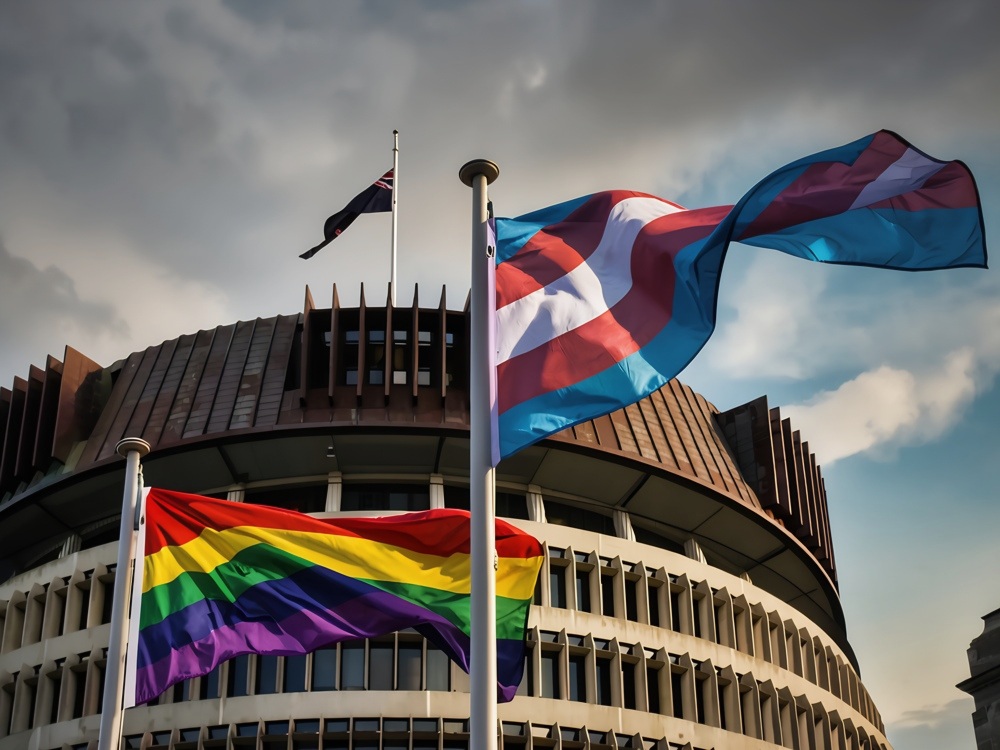
The recent first reading of the Legislation (Definitions of Man and Woman) Amendment Bill dressed prejudice as piety and bore down further on communities already carrying the weight of increasing public scrutiny and political debate about their right to exist safely and openly.
The Attorney-General’s analysis of the bill raised serious concerns, finding it inconsistent with the New Zealand Bill of Rights Act, particularly the right to be free from discrimination. The report highlights that imposing fixed biological definitions of “man” and “woman” across all legislation could disadvantage transgender, non-binary, and intersex people while also creating practical uncertainty for women under the age of 20, risking unintended consequences across healthcare, legal rights, and public services. Ultimately, the advice suggests there is no clear evidence that such sweeping changes are needed, and that they will do more damage to women, intersex, and gender minorities than do any good for anyone.
The bill fails to address the actual issues facing women, particularly when those issues are not experienced equally. Māori, Pacific, disabled, and migrant women continue to face inequitable pay, access to healthcare, safety from violence, and fair treatment under the law. By contrast, narrowly defining what a woman is does not improve safety or wellbeing. It creates environments where women are scrutinised, questioned, and judged. That is not inclusion. That is control.
Cisgender women are already being harassed in changing rooms and public spaces for not looking “feminine enough.”
No piece of legislation can erase the facts of our diversity. What legislation can do, however, is shape the conditions of society. It can either strengthen social cohesion, dignity, and respect, or entrench stigma, exclusion, and harm.
At InsideOUT Kōaro, we work alongside young people every day. We see extraordinary resilience, leadership, and a healthy dose of silliness. We also see the impact of hostile public discourse. This sends a message, intentionally or not, that some people’s identities are up for debate or subject to limitation. Our rangatahi face mental health challenges not because of who they are, but because of how they are treated.
To every takatāpui, MVPFAFF+, transgender, non-binary, and intersex person reading this: you do not need legislation to validate your existence. Your identity is not up for debate. And, to paraphrase the late, great Georgina Beyer: “You’re not wrong! You belong here!”
I encourage all New Zealanders who care about fairness, inclusion, and human dignity to make a submission on this bill. Public submissions matter, and every single voice counts. This conversation is about more than definitions. It is about the kind of country we want to be, a country that protects people rather than politicises them. Aotearoa has always been strongest when it chooses inclusion over exclusion and, in doing so, preserves the wellbeing, dignity, and joy of its rangatahi.
Submissions are being accepted until Thursday, 2 July.
Submissions can be made here
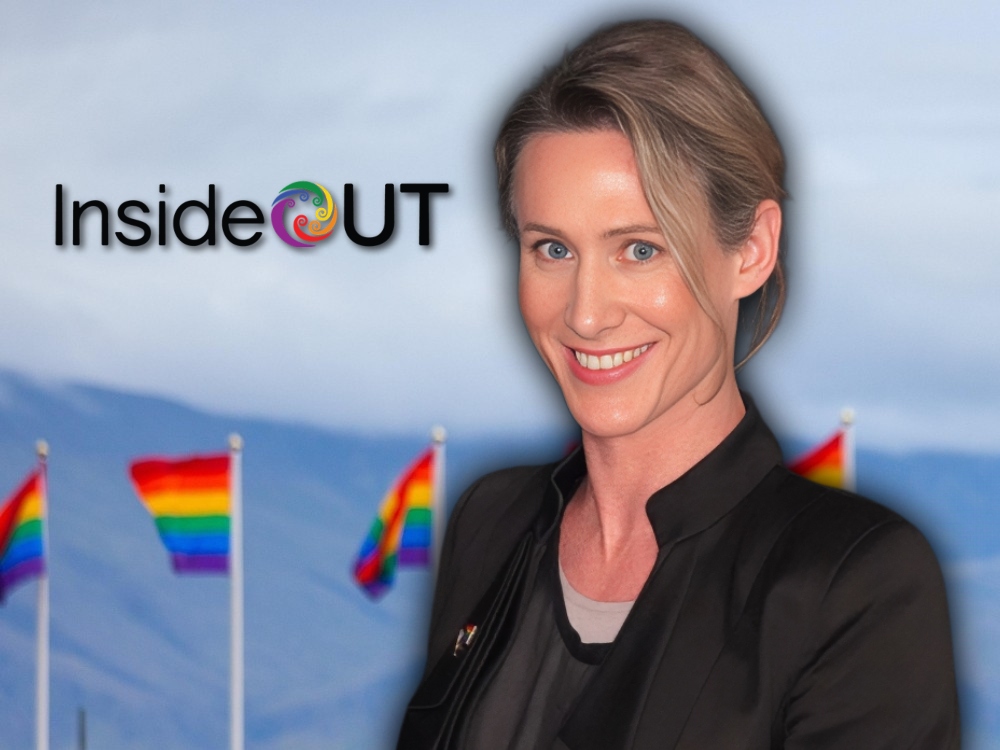
Judy O’Brien is the Chief Executive for InsideOUT Kōaro, a national youth organisation that exists to ensure takatāpui and rainbow rangatahi are free to thrive.