









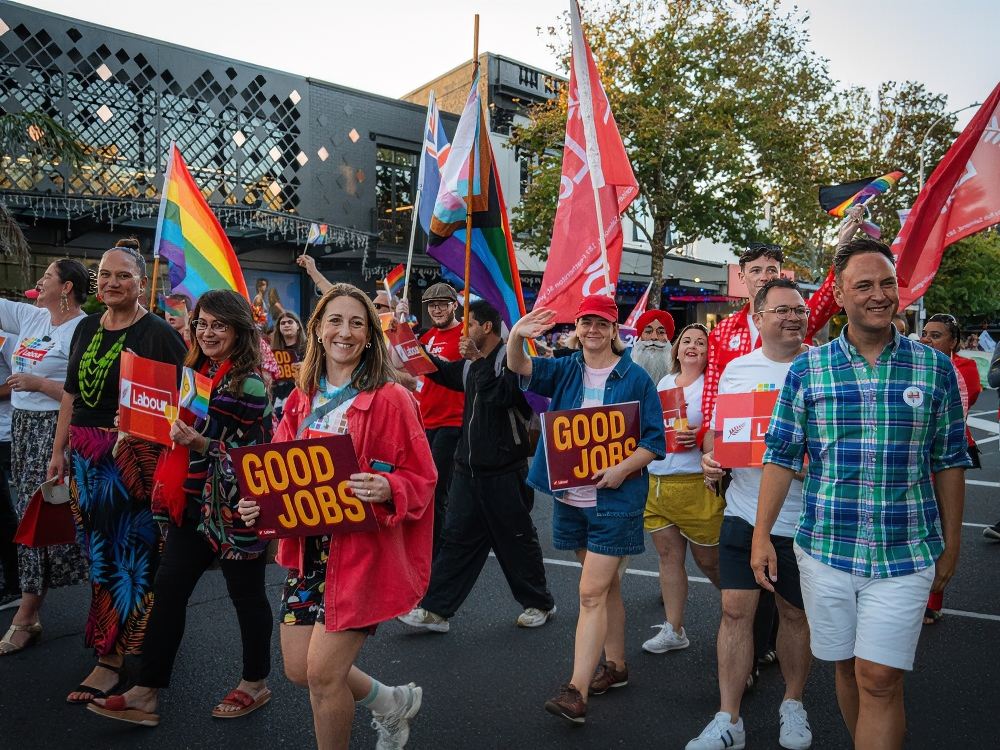


In 2026, Aotearoa New Zealand marks a big milestone: 40 years since the passage of the Homosexual Law Reform Act 1986. This landmark legislation decriminalised consensual sexual activity between men aged 16 and over, bringing an end to decades of legal persecution and stigma. The 40th anniversary is a moment of celebration as well as a time for reflection on the courage of those who fought for change, the political leadership that made it possible, and the ongoing journey toward full equality in Aotearoa.
The Homosexual Law Reform Bill was brought to Parliament by Labour MP Fran Wilde in the mid-1980s, a time when public opinion was sharply divided, and the push for change faced intense opposition, including large-scale protests and deeply personal attacks on advocates. Wilde’s leadership, with the support of Labour colleagues, helped guide the legislation through a bruising parliamentary process. When the bill passed in July 1986, it marked one of the most significant human rights victories in New Zealand’s modern history.
As a rainbow person, I joined the Labour party because I saw it as a party that has consistently played a pivotal role in advancing rights for the rainbow community. In 1993, labour supported sexual orientation to be included as a prohibited ground of discrimination in the Human Rights Act. This was an important step in shifting from decriminalisation to protection. This change helped ensure that LGBTQ+ New Zealanders could challenge discrimination in employment, housing, and public life.
The early 2000s saw further progress. The Civil Union Act 2004, passed under a Labour government, provided legal recognition for same-sex couples at a time when marriage equality remained politically contentious. While not a complete solution, civil unions represented a meaningful acknowledgment of LGBTQ+ relationships and rights. This legislation ensured that dignity and inclusion were affirmed for rainbow people.
One of the most notable pieces of legislation was the Marriage (Definition of Marriage) Amendment Act 2013, which legalised same-sex marriage in New Zealand. This reform was introduced as a member’s bill by Labour MP Louisa Wall. The passage of marriage equality positioned New Zealand as a global leader in LGBTQ+ rights and reflected decades of groundwork laid by activists and allies.
I’m really proud of the work Labour has done to ensure increased representation of openly LGBTQ+ MPs within Labour ranks, which has helped normalise diverse identities in public life and ensured that policymaking reflects lived experience. This visibility affirms that LGBTQ+ people belong in every space where decisions are made.
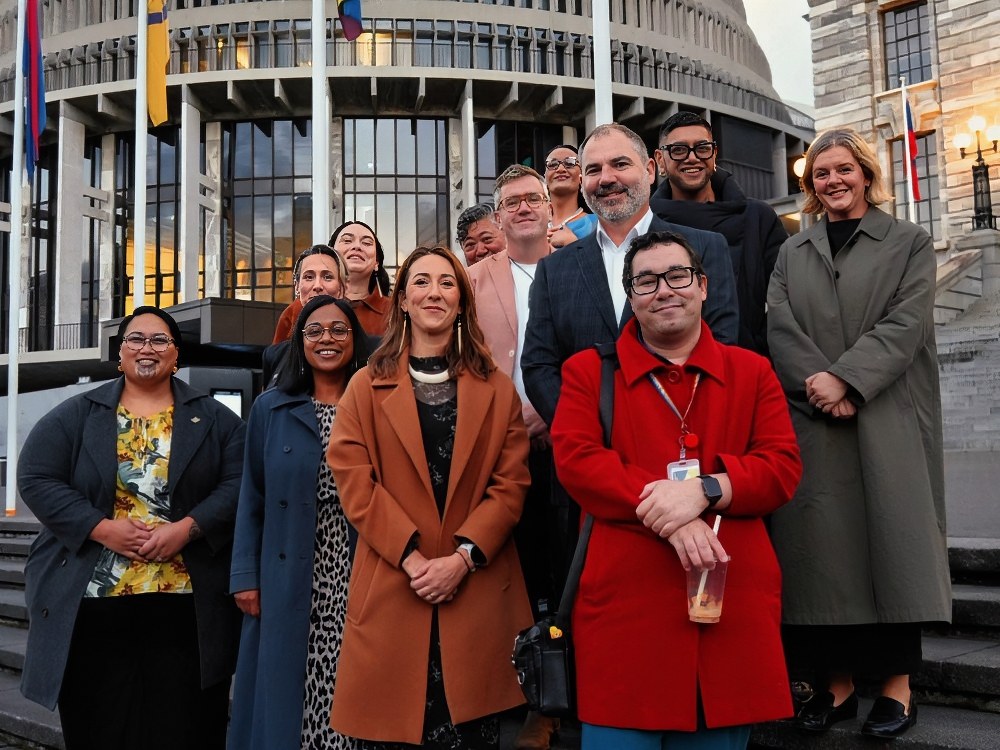
Today, Labour continues to support the rainbow community through policies focused on inclusion, health, and wellbeing. This includes backing bans on conversion practices, strengthening anti-discrimination protections, and supporting inclusive education initiatives. Labour continues to work to address the specific challenges faced by transgender, non-binary, takatāpui, and other marginalised groups within the broader LGBTQ+ community.
At a time where some political parties are using discrimination against rainbow people as a populist football to win votes, standing together is more important than ever. Commemorating the 40-year anniversary of homosexual law reform means honouring the past while renewing a commitment to the future. For me, it’s about standing up and being proud of being rainbow, and proud of our rainbow whaanau.
There are events happening across the country to celebrate this important event, check in with your local rainbow community group to find out what’s happening in your area.
Authorised by Georgie Dansey MP, Parliament Buildings, Wellington, funded by Parliamentary Service.