










B416 argues social media is harming young people, but youth organisations warn a ban could cut off vital connections for isolated rangatahi
As Australia and the UK are restricting social media access for under-16s, a similar conversation is gathering momentum in Aotearoa. At the centre of that push is B416, a campaign group calling for stronger protections around young people’s access to platforms built on algorithmic content, infinite scroll and persuasive design.
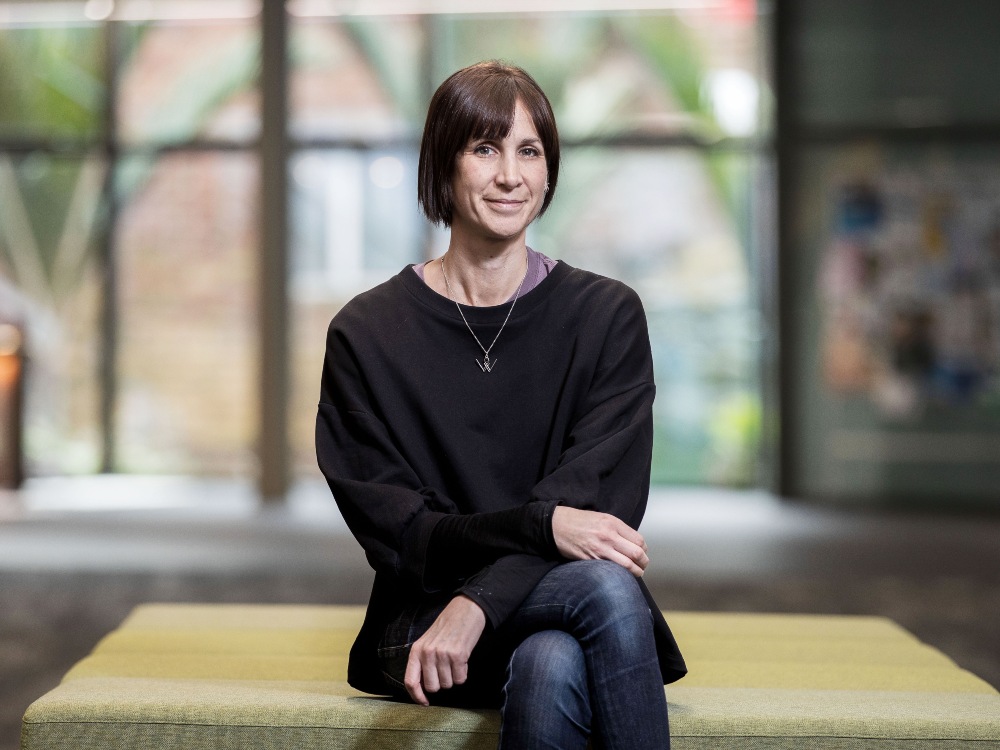
For Dr Samantha Marsh, a senior research fellow in the Department of General Practice and Primary Care at the University of Auckland, the issue is that young people are being placed inside digital environments deliberately designed to hold their attention before their brains are developmentally ready to manage that pressure.
“We want our young people to thrive again. We see social media as a barrier to achieving that goal,” Marsh says of B416.
B416 wants social media and similar online spaces to have an age restriction of 16. Marsh says that is not because a 16th birthday magically transforms a young person’s brain, but because laws require a line to be drawn somewhere.
“A lot of kids have left school by 16, so they are part of the workforce. Research shows girls are particularly vulnerable to social media harms between 11 and 13, while boys are especially vulnerable between 14 and 15, when identity formation is happening.
“In adolescent years, the limbic system, the emotional part of the brain, is exploding,” Marsh says.
Meanwhile, the prefrontal cortex, which Marsh describes as “the brakes in the car”, is still developing.
“It is the part of the brain that says, ‘Maybe this is not a good idea.’ It is involved in self-regulation. It is not fully wired until the mid-20s, and even a little bit older sometimes,” she says.
That developmental reality, she argues, is in conflict with the way social media platforms operate.
“This is a particular issue for the LGBTQ+ community,” Marsh says. “We know that things that are upsetting, that rile you up, get engagement. There is a whole lot of ‘anti’ stuff out there that exists for engagement because it gets people upset on both sides.”
It is here that the debate becomes more complicated. For many young people, social media can provide community and connection they may not have found offline.
Marsh acknowledges research showing that for some rainbow kids, social media can buffer against the most extreme harms. But she worries that framing social media as a solution risks accepting an unsafe compromise.
“It is a bit like saying a kid in an unsafe home environment should go to the local pub where it is warm and dry and they might get some food,” Marsh says. “It is safer for them, but it is not an ideal environment. There are still potentially a lot of harms.”
She says research suggests rainbow young people are exposed to more harms online than others, but accepts it is difficult to separate the impacts of social media from broader mental health disparities.
“It is fair to ask, how do we create safer online spaces and offline spaces? But you cannot make social media safe. It is the Wild West,” she says.
That is not a view universally shared by youth organisations, including the Children’s Commission and Youthline.
Judy O’Brien, Chief Executive of InsideOUT Kōaro, says it is “undeniable that young people can experience harm online”, and supports efforts to make digital spaces safer. However, she argues a ban is the wrong tool.
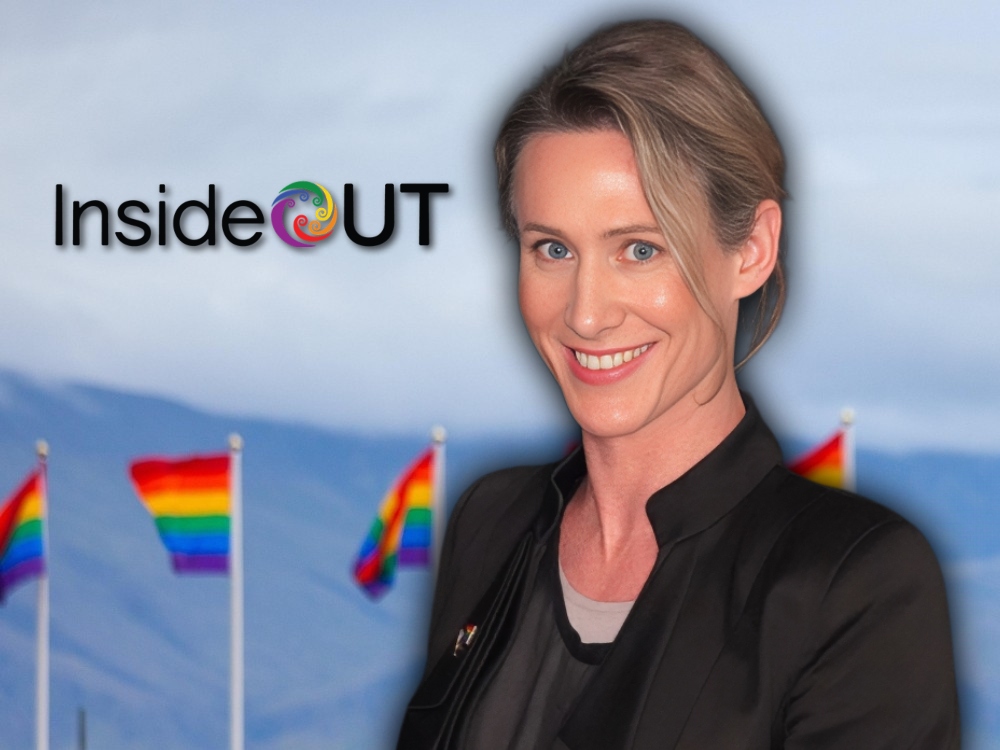
“A blanket ban on social media for under-16s is a blunt instrument that fails to address the root of the problem or hold platforms accountable for implementing meaningful safeguards,” O’Brien says.
She says safer online spaces can provide “vital connection, affirmation, and access to community. In some cases, that connection can be life-saving.”
RainbowYOUTH agrees. Executive Director Petazae Thoms says social media can be “a lifeline” for takatāpui, MVPFAFF+ and rainbow rangatahi, offering access to broader communities, learning and expression.
“We owe it to young people to be committed to solutions that address the root causes of this harm,” Thoms says.
He encourages adults to talk to young people about navigating social media safely, rather than supporting restrictions that could drive further isolation “where community is essential.”
Marsh compares the challenge to tobacco control.
“We did not just say, ‘We are going to let kids smoke because they will find workarounds and push back against it,’” she says. “Researchers figured out that you work with adolescent values. Instead of talking about the harms, you talk about how these companies are exploiting young people.”
She believes the conversation should centre on whether multinational tech companies should have unrestricted access to our youth.
“There is so much research now showing that social media is associated with so many harms, and very consistently, at scale, with our young children,” she says.
She points to recent legal action overseas against Meta and Google, saying it highlighted allegations that companies knew their products were addictive, designed them that way, and understood the potential for harm.
“These are purposeful design decisions,” she says. “I do not think there is any will from these companies to make their platforms safer, because they are making huge amounts of money.”
“These are not companies that care about our children. They were found liable, and Meta came out straight and said, ‘We are going to appeal this. We believe our product is safe.’ These are not companies willing to change their product anytime soon.”
Parents, Marsh says, are exhausted by the issue.
“Parents are drowning in this,” she says. “They see the harms, but there are also harms from isolating your child socially.”
As part of her work, Marsh talks to parents in schools about Dunbar’s number, the idea that humans can only sustain a limited number of meaningful relationships. While young people may have hundreds of online connections, Marsh says what they really need is much smaller and deeper.
“In terms of actual close friends, your child needs two to four, and those friendships need to be nurtured through a lot of face-to-face time.
“What we know about in-person relationships is that we can hear tone of voice, see facial expressions, and all that stuff makes our relationships a lot deeper and more genuine.
“We were never designed to have 500 friends online, or 200 friends we have to message every day.
“When kids give up social media, they say it was a hard lesson, but they figured out pretty quickly who their real friends were. Those are the friendships associated with wellbeing and better outcomes for our kids,” Marsh tells us.
For rainbow communities, the challenge is making sure those face-to-face spaces exist. If young people are to be moved away from unsafe digital environments, they still need somewhere to go.
That may be the common ground. B416 wants to restrict access to platforms it sees as harmful and exploitative. InsideOUT and RainbowYOUTH want the platforms held accountable, while protecting young people’s access.
Both sides agree young people are experiencing harm online. The question is whether a ban protects them, or cuts off the connections that help some of them survive.
Marsh encourages anyone interested in this issue to get in touch with B416.
“We do see this as a really important issue and quite a nuanced issue for your community. We want input. We want to partner with people who can help us understand this.”
For more information or to connect on this issue, visit b416.co.nz
For more information on support for rainbow rangatahi, visit insideout.org.nz and ry.org.nz