









Jessie Lewthwaite wants a drink, as she reflects on NZ’s history of lesbian watering holes and why we still need them
It’s 2010, and a 21-year-old Jessie had just graduated from university as a high school teacher. Having grown up in central Queensland and been to uni in north Queensland, my first priority was to get the fuck out of Queensland. With my Mitsubishi Lancer packed with everything I owned and just enough money in my account for fuel, I started the 27-hour drive to the place I decided I was going to be safe, happy and home: Melbourne. Why Melbourne? Simple: at the time, Melbourne was the only city in Australia that had a lesbian bar, and that was all the information I needed to set off down the east coast.
Here now, in 2026, Melbourne is still the only city in Australia to have a lesbian bar. So it is probably no surprise that New Zealand has none at all. But it wasn’t always this way. When lesbian bars first appeared, they weren’t just about the cheap chardonnay and bad pool tables. They were a survival strategy. In the early 20th century, women who loved women found each other in hidden speakeasies and back rooms, watched by police who treated our existence as a public indecency display. You didn’t go to these places because they were nice. You went because they were the only spot where you could look across a room and see another woman who had made the same dangerous decision you had: to live honestly.
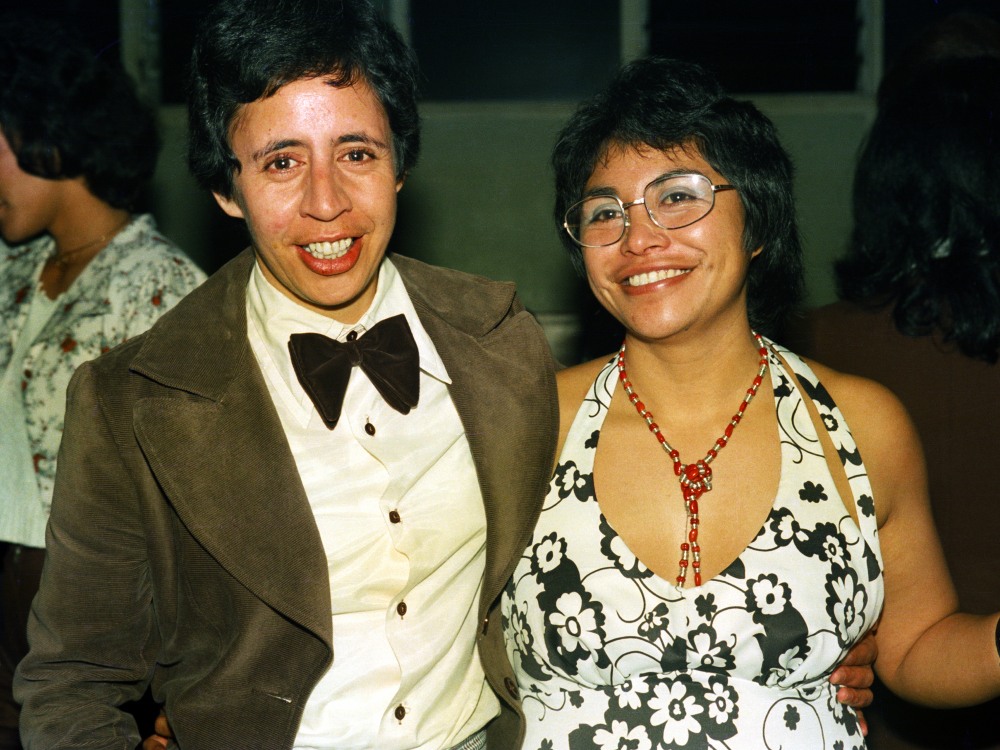
Here in Aotearoa, we had our own flavour of this. The KG Club on Karangahape Road in Tāmaki Makaurau is often named as one of the first explicitly lesbian clubs in Aotearoa, founded around 1972 by Māori women including Raukura Te Aroha “Bubs” Hetet. You won’t believe this, but at the time, women couldn’t get liquor licences, so a lot of what the KG Club did around alcohol was technically illegal, and the police raided it more than once. By the ’80s and ’90s, K’ Road and central Auckland had their own little lesbian galaxy: upstairs clubs, back rooms, those “if you know, you know” venues up dodgy stairwells. You’d arrive on the last train and leave with a phone number, a political leaflet, and a vague promise to join a softball team. It was chaotic, but it was real.
And then the “fun” part: capitalism. From the 2000s on, the number of lesbian bars overseas plummeted. Rents went up, incomes didn’t, and it turns out our community does not, in fact, drink like finance bros on bonus day. Here, the dedicated lesbian clubs quietly disappeared, replaced by mixed queer venues and straight bars that think putting up a rainbow flag once a year is a personality. Now, when a baby gay in Auckland asks, “Where’s the lesbian bar?”, we sort of point at K’ Road and send them a list of sapphic parties that only exist on Instagram and in your heart.
So if the world is slightly safer now, and you can legally marry your girlfriend, get a mortgage, and fight over whose turn it is to clean the air fryer, do we still need lesbian bars? I’d argue yes. We need at least a few places where the centre of gravity is queer women and gender-diverse folks who orbit the lesbian-ish sun. Spaces where we’re not the diversity garnish on someone else’s Pride cocktail, but the whole drink.
Photo | Mot and Aileen at The KG Club by Fiona Clark. Courtesy of the artist Fiona Clark and Lett Thomas, Tāmaki Makaurau.