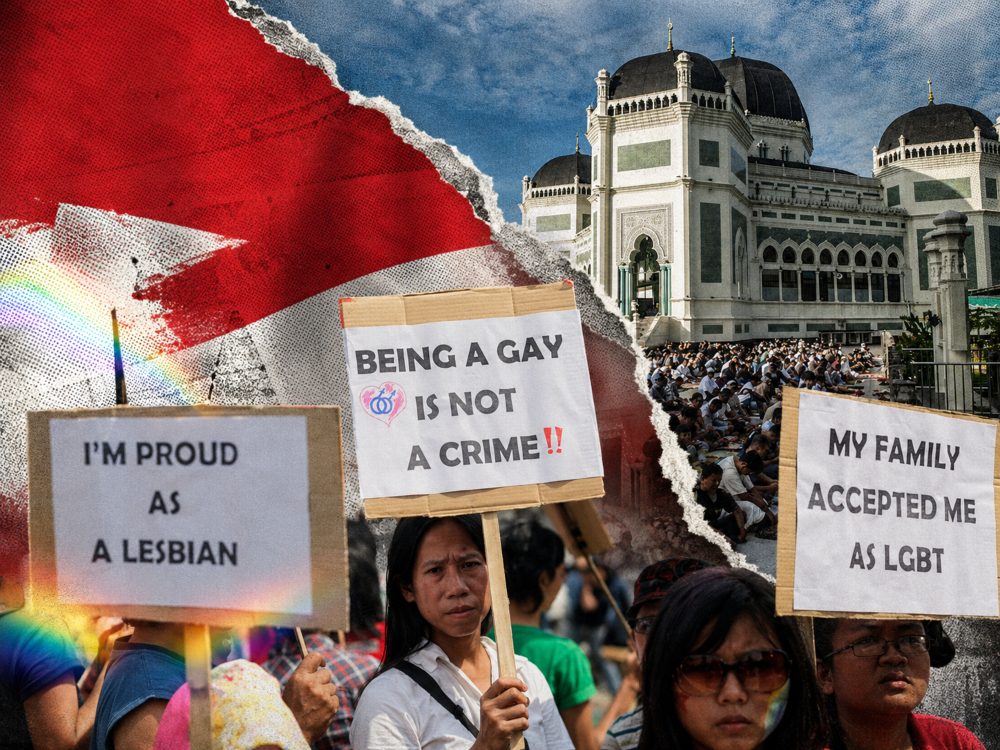










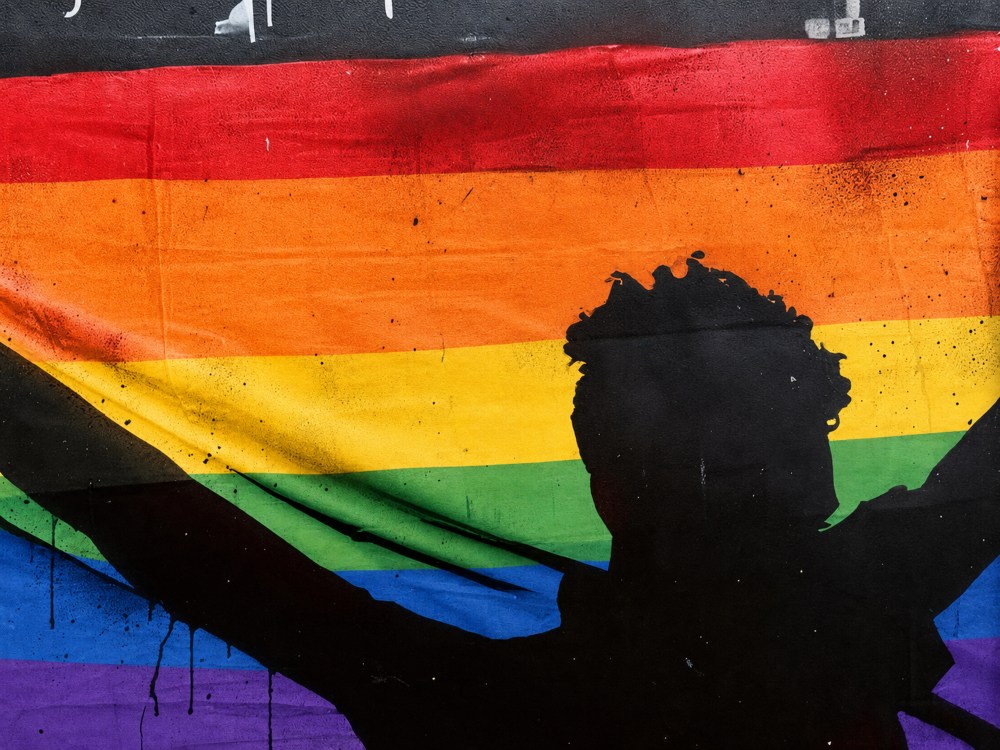
Fears are growing that Gabon could reverse one of Africa’s most significant LGBTQ+ rights advances by reintroducing criminal penalties for consensual same-sex relationships and public advocacy.
The Central African country decriminalised same-sex intimacy in 2020, overturning a provision introduced only a year earlier that classified sexual relations between people of the same sex as an “offence against morality”.
That provision carried a maximum sentence of six months’ imprisonment and a fine of up to five million Central African CFA francs. Its repeal was welcomed by human-rights organisations as an important step towards equality and reducing the stigma experienced by LGBTQ+ Gabonese.
Six years later, however, local reporting suggests lawmakers are considering a much harsher version of the criminalisation Gabon previously abandoned.
Reported Bill Proposes Five-Year Prison Terms
Gabon Media Time reported in June that a bill amending the Penal Code was moving towards consideration by the National Assembly’s Committee on Laws, Administrative Affairs and Human Rights.
According to the report, the proposed changes to Article 212 would criminalise having sexual relations with a person of the same sex. They would also outlaw the “advocacy or publicity” of homosexuality, potentially targeting activists, community organisations and public expressions of support for LGBTQ+ people.
The proposed penalties reportedly include up to five years in prison and fines reaching 10 million Central African CFA francs — twice the maximum financial penalty contained in the law repealed in 2020.
No official parliamentary text or record confirming the proposal’s full wording or progress could be located at the time of publication. Same-sex intimacy therefore remains legal in Gabon unless and until legislation recriminalising it is formally enacted.
Progress Followed by Renewed Pressure
Before 2019, modern Gabon had not generally criminalised consensual same-sex intimacy. The country briefly introduced a prohibition that year before lawmakers voted to remove it in June 2020.
The National Assembly approved the repeal by 48 votes to 24, with 25 abstentions. The Senate subsequently supported the change, and then-president Ali Bongo signed it into law in July 2020.
Political conditions changed after the military coup of August 2023, which removed Bongo from power. Coup leader Brice Oligui Nguema was later elected president in 2025.
During the political transition, religious and conservative figures increased calls for the country to reconsider decriminalisation. Gabon’s new constitution also defined marriage as a union between people of opposite sexes, although it did not itself recriminalise consensual same-sex relationships.
Anti-LGBTQ+ Narratives Fuel Support
Local reporting suggests the proposal has gained support from sections of the public, alongside religious and traditional authorities who portray homosexuality as incompatible with Gabonese values.
Similar arguments have been used across the continent to characterise LGBTQ+ identities as foreign or imposed by Western countries.
However, historians and human-rights advocates have repeatedly challenged claims that queerness is inherently “un-African”. They point to the long history of diverse sexualities and gender identities across African societies, as well as the colonial origins of many laws criminalising same-sex intimacy.
The recent push for stricter legislation is part of a wider regional movement. Lawmakers and conservative campaigners from several African countries met in Ghana in June to support new restrictions on LGBTQ+ rights, including laws targeting advocacy and public visibility.
Campaign Urges Gabon to Protect LGBTQ+ People
A campaign hosted by global advocacy platform All Out has called on Gabonese authorities to preserve the country’s 2020 decriminalisation law.
The campaign was started by Fierté Afrique Francophone and warns that reversing the reform would expose LGBTQ+ people to arbitrary arrest, imprisonment and further discrimination.
“Governments have a duty to protect their citizens — all of their citizens. Sending people to prison for who they love protects no one. It exposes people to violence, shame, and exclusion. It tears families apart. It silences people,” a campaign appeal states.
Advocates argue that criminalising private relationships would conflict with Gabon’s international and regional human-rights commitments.
Gabon ratified the African Charter on Human and Peoples’ Rights in 1986. The charter guarantees equal protection under the law, while the African Commission’s Resolution 275 condemns violence, arbitrary imprisonment and persecution based on real or perceived sexual orientation or gender identity.
Criminalisation Is Increasing in Parts of Africa
Erasing 76 Crimes currently counts 66 countries and territories with laws criminalising same-sex intimacy, including 33 in Africa. The organisation notes that different legal databases may reach slightly different totals depending on whether they include non-UN territories, laws enforced only in certain regions and de facto criminalisation.
Niger became the latest African country to introduce explicit criminal penalties in June 2026. Its new Penal Code provides sentences of between five and 10 years for same-sex acts, with even harsher penalties for organising or supporting LGBTQ+ associations and relationships.
Burkina Faso, Mali and Senegal have also recently introduced or strengthened anti-LGBTQ+ restrictions, while Ghana’s parliament has advanced sweeping legislation targeting LGBTQ+ people and those who support them.
For LGBTQ+ people in Gabon, the reported bill threatens to erase a reform that was celebrated only six years ago.
Whether the proposal advances remains uncertain. Its existence alone, however, has renewed fears that private relationships, community advocacy and public expressions of solidarity could once again carry the risk of prosecution.