








Russia has reportedly censored passages about LGBTQ+ people from the late Pope Francis’ autobiography, removing comments in which he spoke about homosexuality, transgender people and blessings for same-sex couples.
The Russian-language edition of Hope: The Autobiography was published in 2026 by Alpina Publisher, after the book was released the previous year internationally.
But readers in Russia are receiving a significantly altered version.
Several passages dealing with LGBTQ+ inclusion have either been removed or visibly blacked out, including sections where Francis discussed gay and trans people being welcome in the Catholic Church.
The same material is reportedly missing from the digital edition.
LGBTQ+ Passages Blacked Out
One of the most striking examples of the censorship appears in a section where Francis spoke about gay and transgender people having a place within the Church.
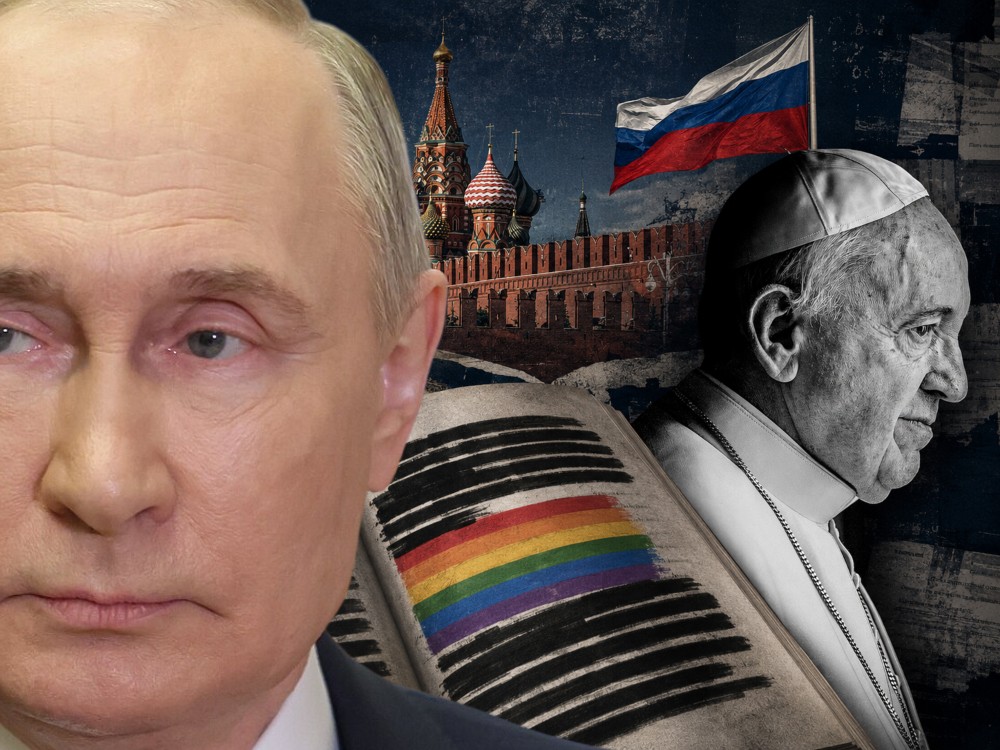
In the Russian edition, the relevant lines are obscured by solid black blocks.
Other censored passages reportedly include Francis’ statement that homosexuality should not be criminalised, references to transgender people being able to receive certain sacraments under the same conditions as other Catholics, and discussion of the Vatican allowing non-liturgical blessings for same-sex couples.
The visual effect is unusually blunt.
Rather than quietly removing the material and pretending it was never there, the printed edition makes the censorship visible on the page.
Alpina Publisher has not publicly explained why the passages were removed.
Pope Francis Shifted The Church’s Tone On LGBTQ+ People
Francis, who died in 2025, never changed Catholic doctrine to recognise same-sex marriage or fully affirm transgender identities.
But during his papacy, he significantly changed the tone of the Church’s public approach to LGBTQ+ people.
He repeatedly called for gay people to be treated with dignity and compassion and criticised laws criminalising homosexuality.
He also supported a Vatican declaration allowing priests, under certain circumstances, to offer spontaneous blessings to people in same-sex relationships without treating those relationships as marriages.
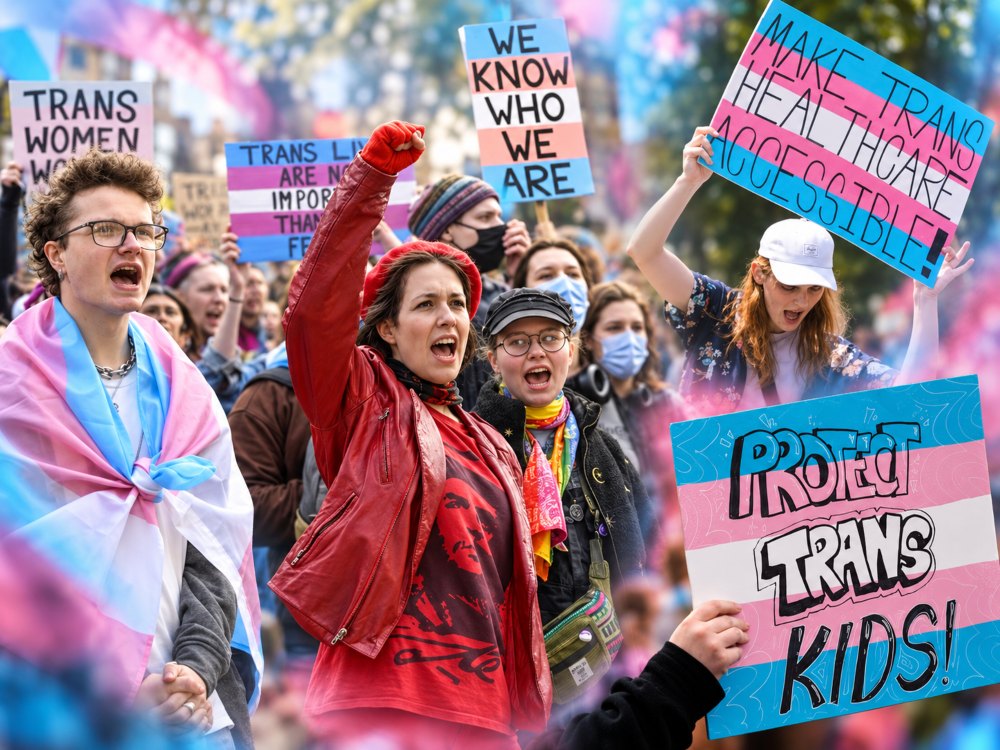
Francis also met repeatedly with transgender Catholics and LGBTQ+ advocates during his time as pope.
Those gestures were welcomed by many queer Catholics as meaningful steps towards inclusion, even while others argued they fell far short of full equality.
It is precisely those more inclusive passages that Russian readers are now being prevented from seeing.
Russia’s Expanding Censorship Of LGBTQ+ Content
The removal of Francis’ comments comes amid an increasingly severe crackdown on LGBTQ+ visibility in Russia.
The country first introduced its so-called “gay propaganda” law in 2013, restricting positive or neutral discussion of LGBTQ+ relationships in material accessible to minors.
In 2022, those restrictions were expanded to people of all ages.
Publishers, streaming services, businesses and individuals can now face penalties for content authorities deem to promote “non-traditional sexual relations” or gender transition.
Since then, books have been withdrawn from sale or altered to remove LGBTQ+ references.
Hundreds of titles have reportedly disappeared from Russian shops in the years following the 2022 expansion of the law.
The censorship of a former pope’s autobiography demonstrates just how widely those restrictions now reach.
LGBTQ+ Visibility Is Increasingly Treated As Extremism
Russia’s crackdown has also moved far beyond censorship.
In 2023, the country’s Supreme Court designated the vaguely defined so-called “international LGBT movement” as extremist.
There is no formal organisation by that name, but the ruling has allowed authorities to target LGBTQ+ organisations, activists, businesses and individuals under extremism laws.
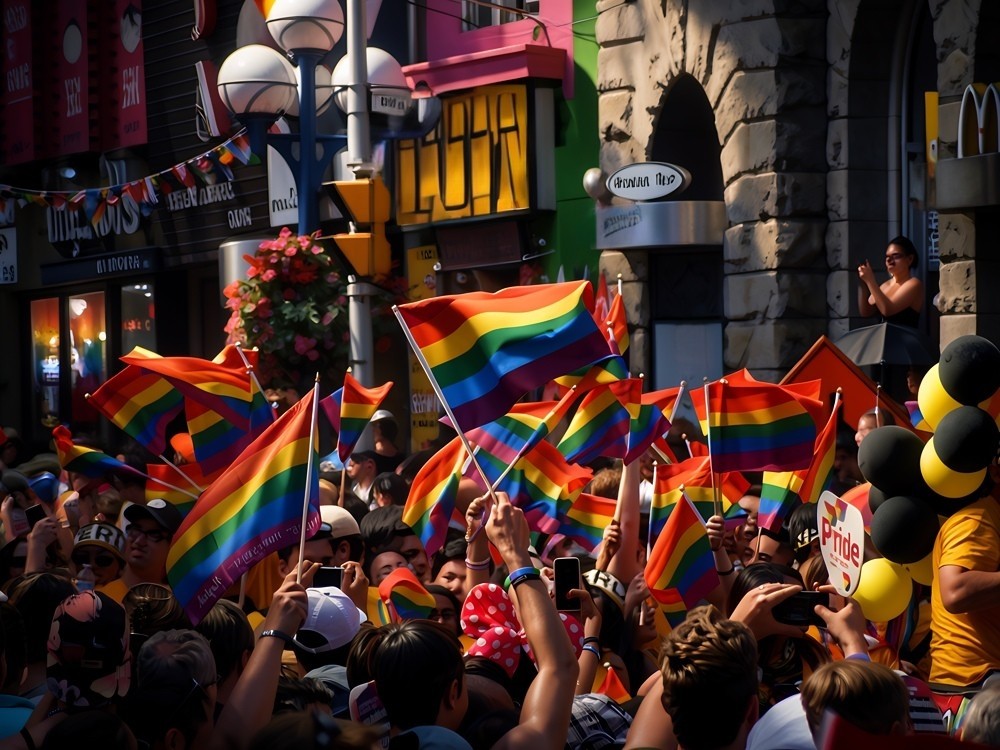
Rainbow imagery has led to arrests and fines.
Queer organisations have been forced to close or leave the country.
LGBTQ+ media outlets and journalists have faced legal pressure.
In 2026, courts across Russia have continued to label established LGBTQ+ support organisations as extremist, making even association with them potentially dangerous.
Against that backdrop, blacking out several paragraphs from a book may appear comparatively minor.
But censorship plays an important role in the wider effort to erase LGBTQ+ people from public life.
Even A Pope Is Apparently Too Queer For Russian Censors
There is a particular irony in the Russian edition of Hope.
Francis was hardly a radical LGBTQ+ activist.
He remained the head of an institution whose teachings continue to place significant limits on same-sex relationships and gender diversity.
Yet even his relatively cautious calls for dignity, welcome and an end to criminalisation appear to have crossed the line under Russia’s current censorship regime.
The sections removed from his memoir do not call for revolution.
They simply acknowledge that gay and transgender people exist, belong within the Church and should not be treated as criminals.
For LGBTQ+ communities in Aotearoa New Zealand and around the world, that distinction matters.
When even modest expressions of inclusion are considered too dangerous to print, censorship is no longer simply about controlling particular political arguments.
It becomes an attempt to control whether queer people are visible at all.
The black bars across Pope Francis’ words make that erasure unusually easy to see.