









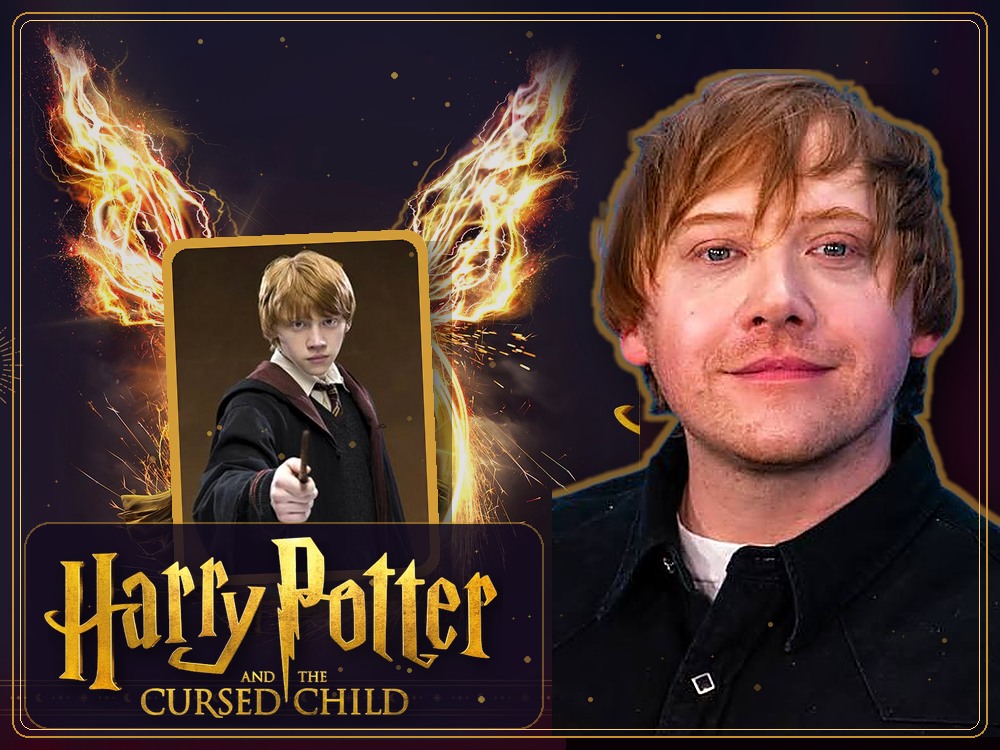


Rupert Grint is facing criticism from some LGBTQ+ fans after announcing he will return to the Harry Potter franchise as Ron Weasley in Broadway’s Harry Potter and the Cursed Child.
The British actor, who played Ron in all eight Harry Potter films between 2001 and 2011, will reprise the role for a limited 17-week engagement at New York’s Lyric Theatre from 2 February to 30 May 2027.
Grint will become the second member of the original film cast to appear in the Broadway production, following Tom Felton, who returned to the role of Draco Malfoy in November 2025. Felton’s run is currently scheduled to end on 3 January 2027, meaning the two former co-stars are not expected to appear together.
“Ron Weasley has been a part of me since I was 11 years old and I can’t wait to meet him again in this stage of life,” Grint said while announcing his return.
He described stepping back into the character as a “full-circle” experience, particularly because both he and the adult version of Ron are now fathers.
Why are some LGBTQ+ fans disappointed?
The announcement has prompted criticism from some queer and trans fans because of Harry Potter author JK Rowling’s highly publicised views on sex and gender.
Rowling has repeatedly attracted criticism from LGBTQ+ organisations, trans advocates and members of the wider Harry Potter fanbase over comments and campaigning relating to transgender people.
That history has made Grint’s return particularly notable because he has previously been outspoken in support of the trans community.
In 2020, amid widespread criticism of comments made by Rowling, Grint publicly stated: “I firmly stand with the trans community. Trans women are women. Trans men are men.”
He added at the time that everyone should be able to live “with love and without judgement”.
Daniel Radcliffe and Emma Watson also publicly expressed their support for trans people around the same period.
Following Grint’s new casting announcement, some fans questioned how his return to a major Harry Potter production fits with those previous statements.
One response to the announcement read: “I thought you were an ally.”
Another simply said: “Protect the dolls” — a phrase that has become widely used in support of trans women and transfeminine people.
Others have defended Grint, arguing that actors who work within the Harry Potter franchise should not automatically be assumed to share Rowling’s personal views.
Harry Potter remains complicated for many queer fans
The debate reflects the increasingly complicated relationship many LGBTQ+ people have with the Wizarding World.
For some queer and trans fans, the books and films were an important part of growing up, with themes of friendship, belonging and finding family resonating strongly with people who felt different or excluded.
At the same time, Rowling’s views have left some former fans questioning whether they want to continue financially or publicly supporting projects connected to the franchise.
Grint has not indicated that his position on trans rights has changed, nor has he publicly responded to the criticism surrounding his Broadway return.
His casting nevertheless raises a familiar question for queer Harry Potter fans: whether it is possible to separate performers and stories they once loved from the wider controversies now surrounding the franchise.