









The Catholic Church in Italy has held its first national conference dedicated specifically to pastoral work with LGBTQ+ people, bringing together around 200 participants and about a dozen bishops in Rome.
The 4 September gathering took place at the General Curia of the Society of Jesus and focused on how Catholic communities can better listen to, welcome and support gay, lesbian and transgender believers.
The conference comes one year after more than 1,000 LGBTQ+ Catholics and their families took part in a historic Jubilee pilgrimage to Rome — the first official queer Catholic pilgrimage included within a Holy Year programme.
For a Church whose formal teachings on sexuality remain unchanged, the latest gathering does not amount to doctrinal reform.
But it does mark a significant change in how parts of the Italian Church are talking about LGBTQ+ Catholics.
Bishops Share Examples Of LGBTQ+ Inclusion
Bishops representing Bari, Cremona, Chiavari and Florence shared examples of pastoral programmes already operating in their dioceses.
The discussions focused on listening, reducing stigma and ensuring LGBTQ+ Catholics and their families feel able to remain part of parish life rather than being pushed towards a simple choice between their identity and their faith.
Antonio Napolioni, Bishop of Cremona, spoke about the need to offer “full dignity to all believers” through listening and a family-like approach to welcome.
The Archdiocese of Florence also highlighted its pastoral inclusion programme and Casa di Andrea, which provides temporary accommodation for LGBTQ+ young people experiencing difficulties within their families.
National representatives from several major Catholic organisations also took part, including Catholic Action, Catholic scouting groups and Christian Life Community.
Cardinal Matteo Zuppi, president of the Italian Bishops’ Conference, was not reported as attending personally but sent greetings and expressed his closeness to the gathering through Archbishop Giampaolo Dianin.
‘We Have Begun A Journey’
Father Giuseppe Piva, who leads the pastoral team behind the conference, described the event as a turning point.
“The problems remain, as does the suffering of so many people,” he said.
“But we have begun a journey.”
Piva said the presence of numerous bishops reflected a new willingness within the Italian Church to listen more closely to LGBTQ+ Catholics.
He added that while no one yet knows exactly where that process will lead, it should mean vulnerable believers no longer feel they must hide themselves in order to understand their place within the Church.
That language is significant in an institution where many LGBTQ+ Catholics have experienced rejection, pressure to remain silent about their relationships, or tension between their faith and sexuality or gender identity.
A Year After A Historic Queer Pilgrimage
The Rome conference follows another major moment for LGBTQ+ Catholics.
In September 2025, more than 1,000 LGBTQ+ Catholics, family members and supporters from around 30 countries travelled to Rome for the Jubilee.
The pilgrimage was included on the Vatican’s official Holy Year calendar, although Vatican officials stressed that inclusion on the calendar did not amount to formal Vatican sponsorship or endorsement.
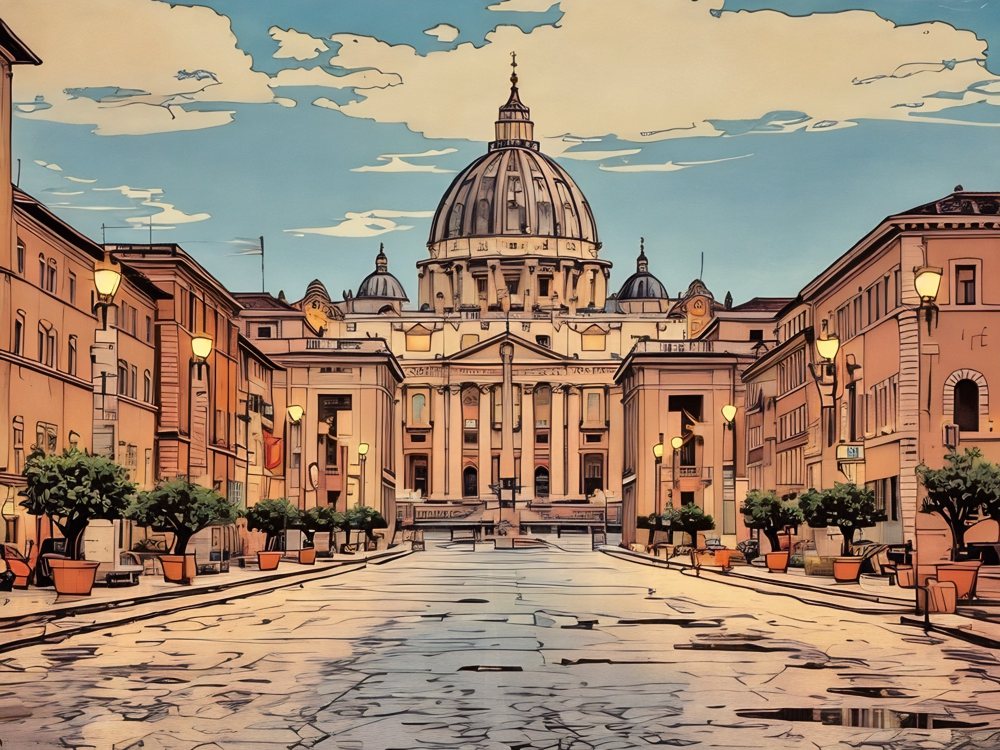
Participants passed through the Holy Door of St Peter’s Basilica, a significant Jubilee tradition.
For many queer Catholics, simply taking part openly under the LGBTQ+ banner was itself historic.
Francis Opened Doors — But Doctrine Has Not Changed
Much of the shift in tone can be traced to Pope Francis.
During his papacy, Francis repeatedly called for greater pastoral welcome towards gay and transgender people and met LGBTQ+ Catholics and advocates.
Perhaps his most significant institutional move came in 2023, when the Vatican authorised priests to offer spontaneous, non-liturgical blessings to same-sex couples under certain circumstances.
Pope Leo XIV has largely maintained that pastoral direction.
He has met prominent clergy involved in LGBTQ+ ministry and has defended Francis’ decision on informal blessings, while arguing that disputes over sexuality should not dominate the Church’s wider mission.
But Leo has also made clear he is not currently planning to take the Church beyond Francis’ position on same-sex relationships.
Catholic teaching still defines marriage as between a man and a woman and teaches that sexual activity belongs within heterosexual marriage.
That means there remains a substantial gap between greater pastoral welcome and full equality for LGBTQ+ Catholics.
A Significant Step, Not The End Of The Story
The Rome gathering therefore represents progress, but not resolution.
For queer Catholics who have spent years feeling unwelcome within their own religious communities, having bishops publicly discuss dignity, listening and inclusion is meaningful.
At the same time, many of the doctrinal positions that have contributed to that exclusion remain firmly in place.
Father Piva’s description may ultimately be the most accurate.
The Italian Church has begun a journey.
Where it ends remains an open question.