









Historian Gareth Watkins searches out significant moments in our history
5 October 1955
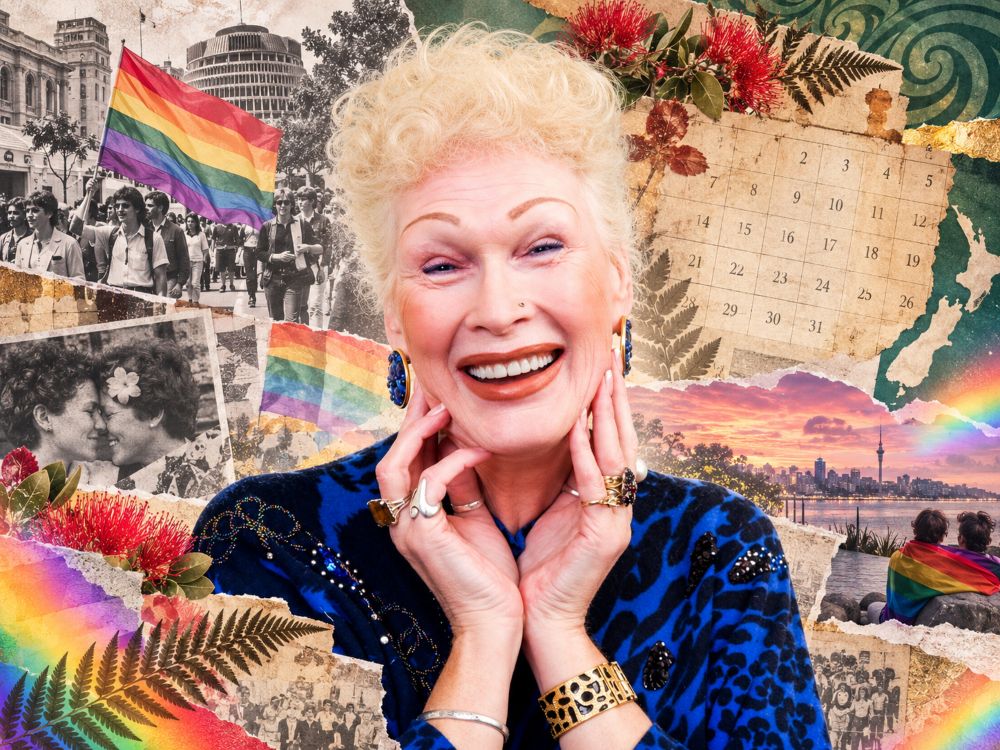
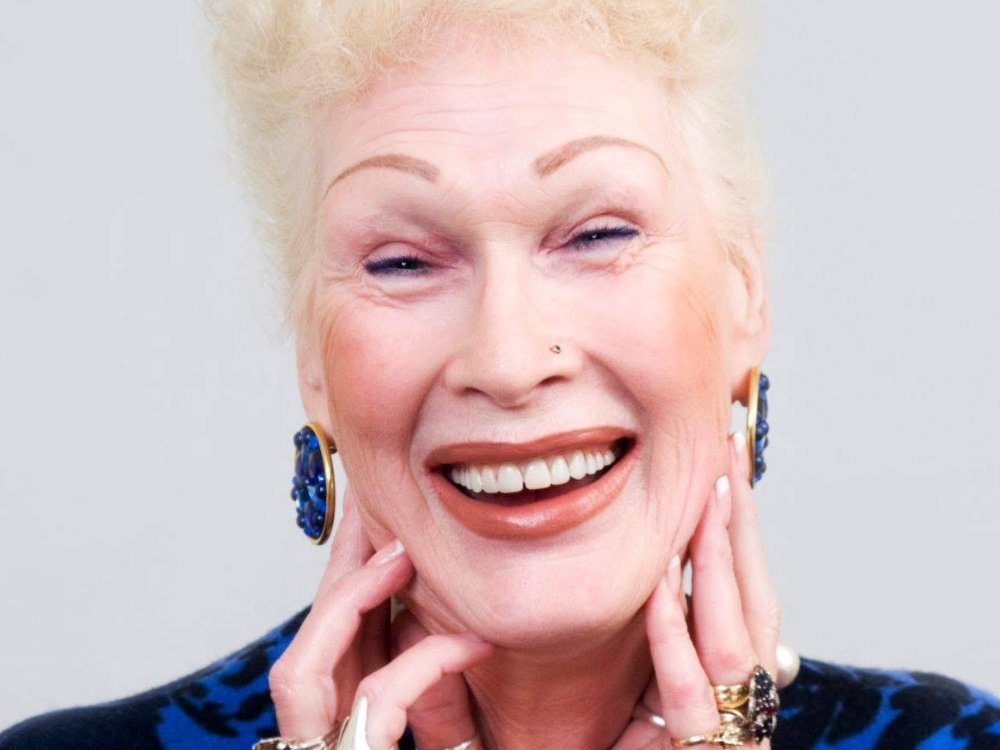
Theatre-maker Paul Jenden was born in Wellington. He wrote and directed his first play at the age of eight. After graduating from Victoria University in 1975, he began a theatrical career that took him to New York in 1980 and on tours through the US, Canada, Europe and Asia. He returned to New Zealand in the late 1980s and became one of Wellington’s most distinctive creative figures, producing work that mixed dance, comedy, musical theatre and an unmistakably queer sensibility. Jenden’s Fairy Stories, first performed in 1993, gleefully twisted fairy tales and mixed them with current events and playful references to sexuality and gender identity. Jenden often designed and made costumes himself and was voted Costume Designer of the Year at the Chapman Tripp Theatre Awards on multiple occasions. Jenden also collaborated with composer Gareth Farr on a series of original musicals and wrote lyrics for Roger Hall’s popular pantomimes.
11 October 1967
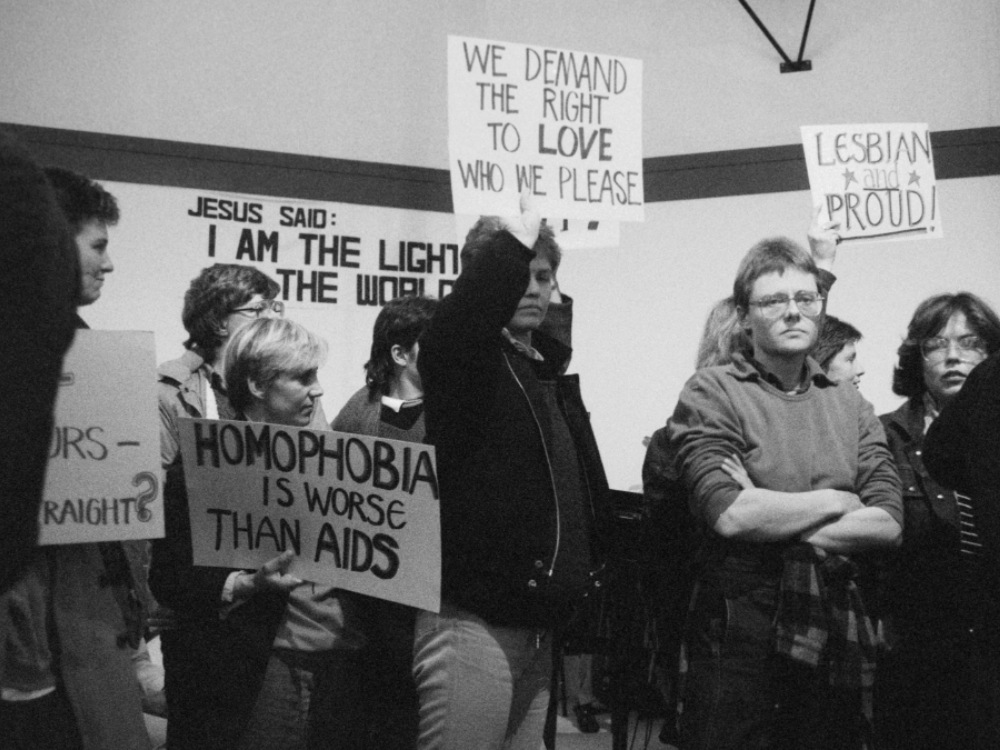
Around 30 people gathered in Christchurch at a meeting organised by the Howard League for Penal Reform to discuss laws criminalising sexual activity between men. The gathering followed a Supreme Court decision overturning a magistrate’s discharge of two men charged over homosexual activity, as well as inflammatory public comments made earlier that year by Detective Superintendent F. A. Gordon. Responding to the possibility of homosexual law reform, Gordon asked: “Do we want our cities overrun with pimps, ponces, pansies, pussyfoots and perverts? A nation of queers?” At the Howard League event, chair Peter Alpers argued that criminal law needed a clear justification. If homosexual activity between consenting adults did not harm others or threaten the community, he questioned why the state should punish it. Alpers also challenged the belief that a man could simply be “tempted” into homosexuality, saying: “A leopard can’t be made to change his spots in that way.”
28 October 2017
Aunty Dana’s Op Shop opened in central Wellington, raising money for Gender Minorities Aotearoa and providing a welcoming space for transgender, gender-diverse and intersex communities. The op shop was named in honour of transgender activist Dana de Milo. A volunteer at the shop, Anahera Rangitaawa, told Radio NZ that transgender people often lacked support in wider society, so helping to create a community-based safe space felt like a natural way to give something back: “It’s not as easy to be forward or open about who you are or issues you’re going through with people who don’t necessarily … understand.” Aunty Dana’s continues today, not only as a source of clothing and accessories but also as a place where people can find resources and community.
Heritage Spotlight
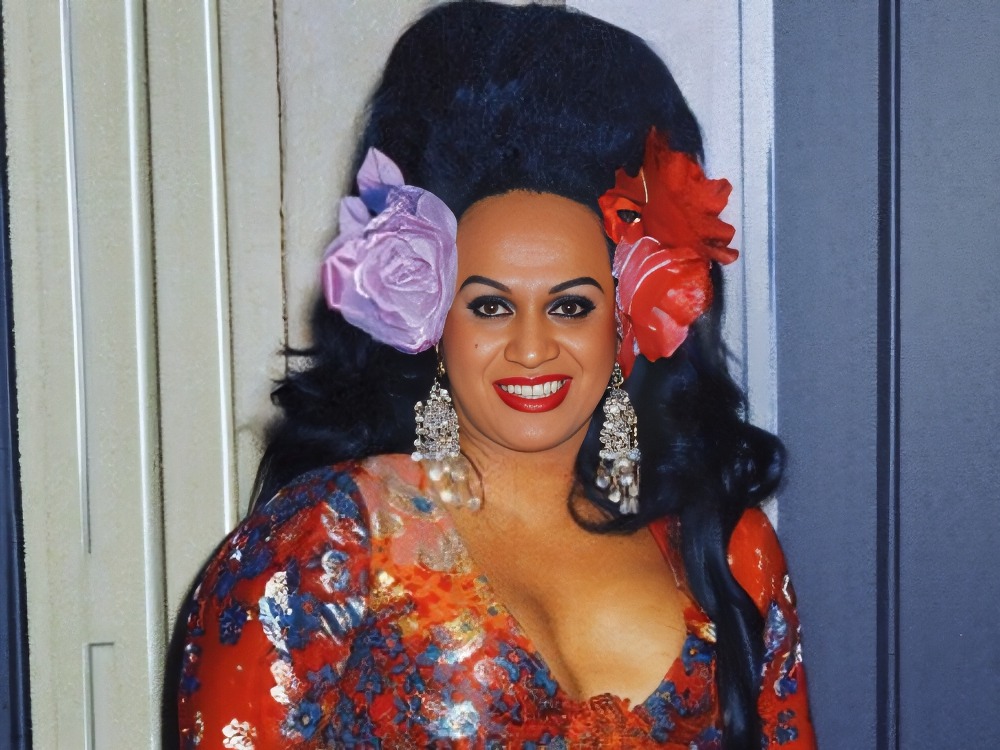
Since the 1990s, the Museum of New Zealand Te Papa Tongarewa has been actively acquiring items for the national collection that are significant to rainbow communities. Highlights include the New Zealand AIDS Memorial Quilt and personal taonga gifted by transgender icon Carmen Rupe. Sporting history is represented by team uniforms from the Amazons, Aotearoa’s first lesbian softball club, and a rugby ball signed by the Krazy Knights, our first gay rugby team. The collection also includes more than 100,000 images by Magnum photographer Brian Brake, works by designer Lindah Lepou, and paintings by Frances Hodgkins. Visit tepapa.govt.nz and search ‘LGBTQI+’.