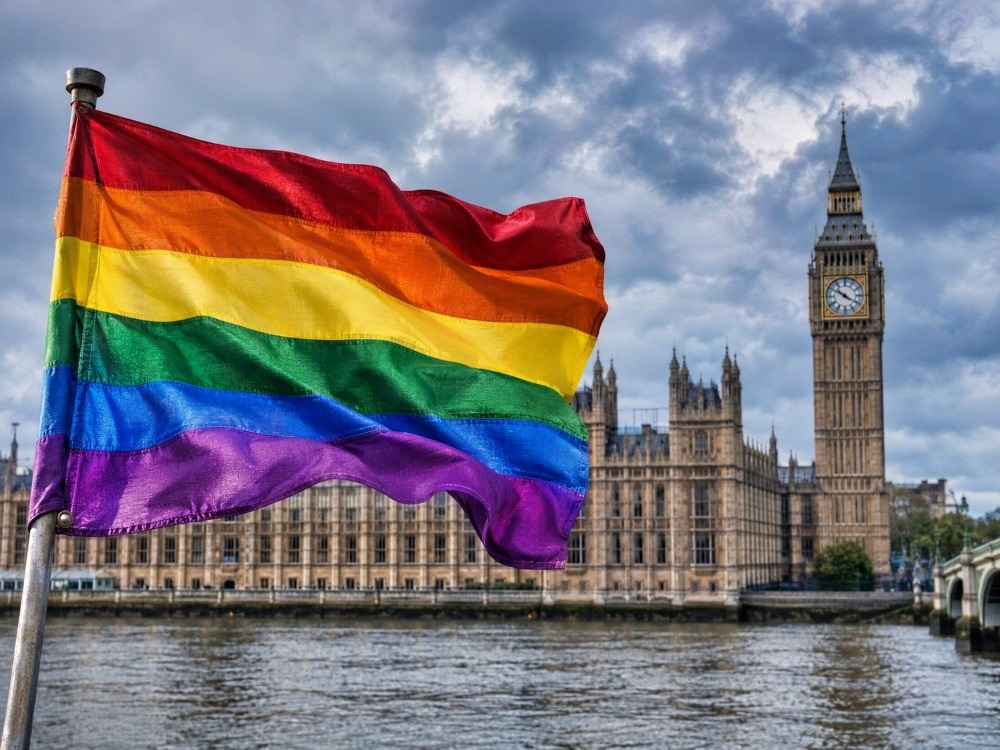
Plans to ban abusive conversion practices in England and Wales have become the centre of a political dispute, with Britain’s Conservative Party withdrawing its support for proposed legislation designed to protect LGBTQ+ people from attempts to change their sexuality or gender identity.
The decision has prompted criticism from the Labour Government, which is pushing ahead with parliamentary scrutiny of a draft law targeting harmful conversion practices.
According to reporting by The Guardian on 11 November 2026, Conservative leader Kemi Badenoch and her party have withdrawn their previous backing for the proposed ban, citing concerns about how the legislation could affect parents, young people and conversations about gender identity.
The move comes as a parliamentary committee examines the details of the draft Conversion Practices Bill, published in June.
The proposal has particular relevance for LGBTQ+ communities in Aotearoa New Zealand, with the UK Government acknowledging that elements of its approach were informed by New Zealand’s 2022 conversion practices legislation.
What Would The UK Conversion Practices Ban Do?
Conversion practices involve attempts to change or suppress a person’s sexual orientation or gender identity.
They can take various forms, including psychological pressure, coercive behaviour and other interventions intended to make someone change or reject their identity.
The proposed UK legislation would introduce criminal penalties for abusive conversion practices in England and Wales.
Under the draft law, a person could commit an offence if they carried out abusive conduct intended to change someone’s sexual orientation or transgender identity and caused:
- Serious harm to the person’s physical or mental health.
- Serious alarm or distress that substantially affected their ability to carry out normal daily activities.
Those convicted on indictment could face up to five years in prison, a fine or both.
The proposal also includes civil protection orders designed to prevent people from being subjected to harmful conversion practices.
Additional provisions would address certain situations involving assistance or encouragement of abusive conversion practices overseas.
However, the draft has not yet become law.
It is currently undergoing parliamentary scrutiny, with MPs and members of the House of Lords considering its wording and potential consequences.
Why Have The Conservatives Withdrawn Support?
Conservative leader Kemi Badenoch has questioned whether the proposed legislation could interfere with conversations between parents and their children.
Badenoch argues that the draft risks criminalising parents who discuss or question their children’s understanding of gender identity.
The party has also expressed concerns about the bill’s scope, particularly its treatment of transgender and non-binary identities.
A Conservative spokesperson told The Guardian that the party wanted young LGBTQ+ people to receive thoughtful support and clinical advice without pressure towards a particular conclusion.
The spokesperson argued that the bill could threaten legitimate conversations intended to help young people make informed decisions.
These concerns reflect the Conservatives’ stated interpretation of the draft rather than an established finding that ordinary parental discussions would be criminalised.
The Labour Government disputes that interpretation.
Labour Says The Ban Would Target Abuse, Not Ordinary Conversations
Equalities Minister Bridget Phillipson has criticised the Conservatives’ change of position, arguing that efforts to protect LGBTQ+ people from abusive conversion practices had previously attracted cross-party support.
Speaking in the House of Commons on 11 November, Phillipson reaffirmed the Government’s commitment to progressing the legislation.
She said abusive conversion practices had no place in Britain and that the draft had been submitted for pre-legislative scrutiny to ensure the final law was properly considered.
Government officials maintain that the bill has been deliberately designed with a high threshold for criminal liability.
Under the proposal, simply discussing sexuality or gender identity would not automatically constitute an offence.
The conduct would need to satisfy the legislation’s specific requirements concerning intention, abuse and serious harm or distress.
The draft also provides protections for legitimate healthcare, although conduct falling far below expected professional standards would not receive the same protection.
The Government argues that these safeguards distinguish abusive conversion practices from supportive conversations, appropriate healthcare and ordinary family discussions.
Critics of the proposal remain concerned about how those distinctions would work in practice.
How Does The UK Proposal Compare With New Zealand?
Aotearoa New Zealand introduced its Conversion Practices Prohibition Legislation Act in 2022, making certain conversion practices criminal offences and establishing a framework for complaints and civil remedies.
The legislation protects people from practices intended to change or suppress their sexual orientation, gender identity or gender expression.
New Zealand law includes two important criminal offences.
The first concerns performing a conversion practice on someone under 18, or a person who lacks the relevant decision-making capacity.
That offence does not require prosecutors to prove the practice caused serious harm, although the law includes specific requirements concerning the person’s age or capacity and the accused person’s knowledge or recklessness.
The second offence applies where a conversion practice causes serious harm, regardless of the person’s age, provided the other legal requirements are met.
The UK Government has acknowledged that its draft legislation draws on parts of New Zealand’s approach.
However, the current British proposal differs in a significant respect.
Its principal criminal offence requires abusive conduct that causes serious harm or serious alarm or distress with a substantial impact on daily life.
It does not include a directly equivalent standalone criminal offence for performing a conversion practice on someone under 18 without proving that level of harm or distress.
The comparison illustrates how countries can pursue similar objectives while adopting different legal thresholds and protections.
Why The Debate Matters For LGBTQ+ Communities
For LGBTQ+ people, the debate concerns how governments respond to attempts to change someone’s sexuality or gender identity through harmful practices.
Supporters of a comprehensive ban argue that specific legislation is needed because existing criminal laws may not adequately address psychological coercion, prolonged manipulation and other forms of abuse.
They also emphasise the importance of protecting young people and people who may be especially vulnerable to pressure from family members, religious organisations or others in positions of authority.
Those raising concerns about the UK draft argue that legislation must be carefully written so it does not interfere with legitimate healthcare, parental responsibilities or open discussions about identity.
The debate therefore involves questions about the boundaries of criminal law, the definition of abuse and the protections available to LGBTQ+ people.
The UK Government says it wants a law that addresses harmful practices without criminalising ordinary conversations or appropriate medical care.
Whether the final legislation achieves those aims will depend on the wording Parliament ultimately considers.
What Happens Next?
The draft Conversion Practices Bill is currently being examined by a joint parliamentary committee.
The committee is inviting written evidence from organisations, professionals and members of the public before preparing recommendations.
Written submissions close at 5pm UK time on Monday 16 November 2026.
For anyone following the process from Aotearoa, that is 6am NZDT on Tuesday 17 November.
The committee will consider evidence about how the proposed offences would operate, including concerns relating to parental conversations, healthcare, freedom of expression and protections for LGBTQ+ people.
The Government has indicated it will consider the committee’s recommendations before deciding how to proceed.
There is currently no guarantee that the draft legislation will become law in its present form.
A Debate With Lessons For Aotearoa
New Zealand’s experience provides a useful point of comparison as the United Kingdom considers its approach.
Aotearoa’s law has been in place since 2022, establishing criminal and civil protections while preserving space for respectful discussions about sexuality and gender.
The UK’s proposed legislation is still being developed, with significant disagreements remaining about the scope of its protections.
For rainbow communities, the outcome will determine what additional legal remedies may become available to people experiencing abusive attempts to change their identity.
For now, the proposed ban remains under parliamentary scrutiny, with the Conservatives withdrawing their support and the Labour Government continuing to pursue legislation intended to protect LGBTQ+ people from abusive conversion practices.