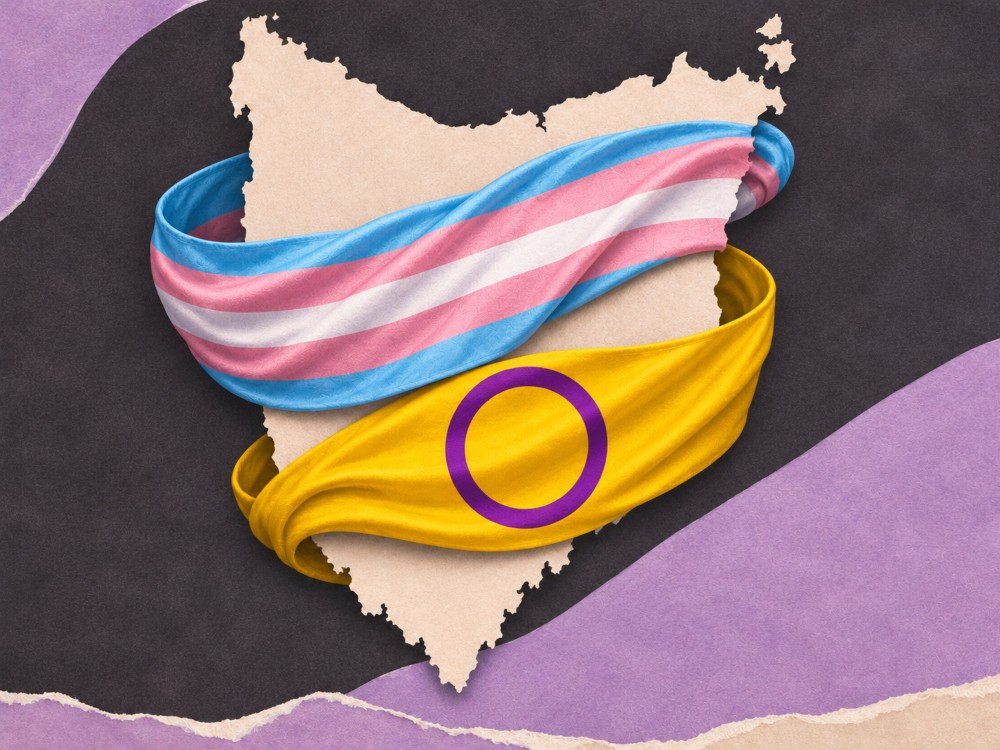

Big decisions are coming for Sydney Mardi Gras! With nine candidates competing for four board positions, members are being asked to consider the future of one of the world’s most recognisable Pride celebrations, including stronger transgender inclusion, financial stability and changes to the organisation’s governance.
Sydney Gay and Lesbian Mardi Gras is preparing for an important Annual General Meeting on Saturday 28 November 2026, as members consider who should help lead the organisation towards its historic 50th anniversary in 2028.
The meeting will see four directors elected from nine candidates, alongside votes on 13 proposed resolutions addressing the organisation’s future.
Among those calling for change is Protect Mardi Gras, an informal coalition of members campaigning for greater unity, stronger finances and a festival that continues to stand visibly alongside LGBTQ+ communities.
The group has outlined five priorities it believes should help shape Mardi Gras over the coming years.
And with the festival preparing for its biggest anniversary yet, there’s plenty for members to consider.
A Mardi Gras For The Whole Rainbow Community
One of Protect Mardi Gras’ central priorities is ensuring the festival continues to represent the full diversity of LGBTQ+ communities.
The coalition wants the organisation to stand more visibly alongside transgender and gender-diverse people, particularly as debates about trans rights continue across Australia and internationally.
It also wants Mardi Gras to maintain its role as both a celebration of queer culture and a platform for public advocacy.
Protect Mardi Gras co-founder Peter Stahel told Australian LGBTQ+ publication QNews that the organisation needed to strengthen its finances and governance while retaining the spirit that made Mardi Gras such an important event.
The group argues that unity between different parts of the rainbow community should be a central focus as the organisation approaches its 50th anniversary.
More Satire, More Protest And More Mardi Gras Attitude
Protect Mardi Gras also wants the annual parade to embrace more of its famously rebellious personality.
Its priorities include encouraging floats that use satire, humour and political commentary to challenge discrimination and public figures.
The coalition says Mardi Gras should remain creative, provocative and proudly queer, reflecting its history as an event rooted in protest.
That history dates back to 24 June 1978, when the first Sydney Mardi Gras march was met with police violence and arrests.
Nearly five decades later, the event has grown into an internationally recognised LGBTQ+ festival attracting visitors from around the world.
For Protect Mardi Gras, the challenge is preserving that activist legacy while delivering a major cultural celebration.
Financial Stability And Better Governance
The coalition’s proposals also focus on the organisation’s internal operations.
After a difficult period involving financial pressures and disagreements within the board, Protect Mardi Gras says the festival needs stronger financial oversight and greater support for staff and volunteers.
The group is also calling for greater transparency in how the board operates and communicates with members.
One resolution submitted for the AGM proposes a comprehensive independent review of the Sydney Gay and Lesbian Mardi Gras constitution.
The review would examine board accountability, financial oversight, membership participation and the way directors are appointed.
It would also consider whether the organisation should introduce independent, skills-based board appointments while maintaining democratic member representation.
Importantly, the proposal would not immediately change the constitution.
Any recommended amendments would need to return to members for consideration and approval under the appropriate rules.
Nine Candidates Competing For Four Seats
This year’s board election features nine candidates seeking four positions.
Protect Mardi Gras is supporting five candidates: Shane Sturgiss, Cath Glasson-Ashburn, Diana McManus, Mits Delisle and Wendy Maloney.
Another activist group, Pride in Protest, has put forward candidates campaigning for stronger transgender rights advocacy, greater community accountability and a renewed emphasis on Mardi Gras’ protest origins.
The election follows a period of internal disagreement about governance, commercial partnerships and the organisation’s public advocacy.
While the groups share an interest in Mardi Gras’ future, they have expressed different priorities concerning its direction and how best to represent the community.
Members will determine which candidates take up the available board positions.
When Can Mardi Gras Members Vote?
Eligible members can vote electronically before the AGM or attend the meeting and participate in person.
For New Zealanders with voting rights in the organisation, the important deadlines are:
Online director voting closes: Tuesday 24 November 2026, 7pm NZDT.
Proxy appointment deadline: Wednesday 25 November 2026, 7pm NZDT.
Annual General Meeting: Saturday 28 November 2026, 12.30pm NZDT.
Venue: Pride Hall, Inner West Pride Centre, 1A Bedford Street, Newtown, Sydney.
Members can attend in person or through Zoom, subject to the organiser’s registration arrangements.
The proposed constitutional review is an advisory motion. Even if it receives majority support, it would not automatically require the board to implement the proposal.
Mardi Gras 2027 Is Already On The Calendar
For rainbow Kiwis planning to cross the Tasman, the next festival is already taking shape.
The 49th Sydney Gay and Lesbian Mardi Gras will run from 12 February to 7 March 2027 under the theme HYPERBLOOM.
The programme includes the famous Mardi Gras Parade, Fair Day, cultural events and the return of the official Mardi Gras Party, which will take place in the tunnels beneath Allianz Stadium.
But behind the celebrations, members are preparing to make decisions about the organisation’s longer-term future.
The 2028 festival will mark 50 years since the first Mardi Gras march, giving the upcoming board a particularly significant period to navigate.
As Mardi Gras prepares for its next chapter, the conversation is about more than one parade or party. It’s about how an iconic LGBTQ+ institution continues to represent, support and celebrate its communities.