









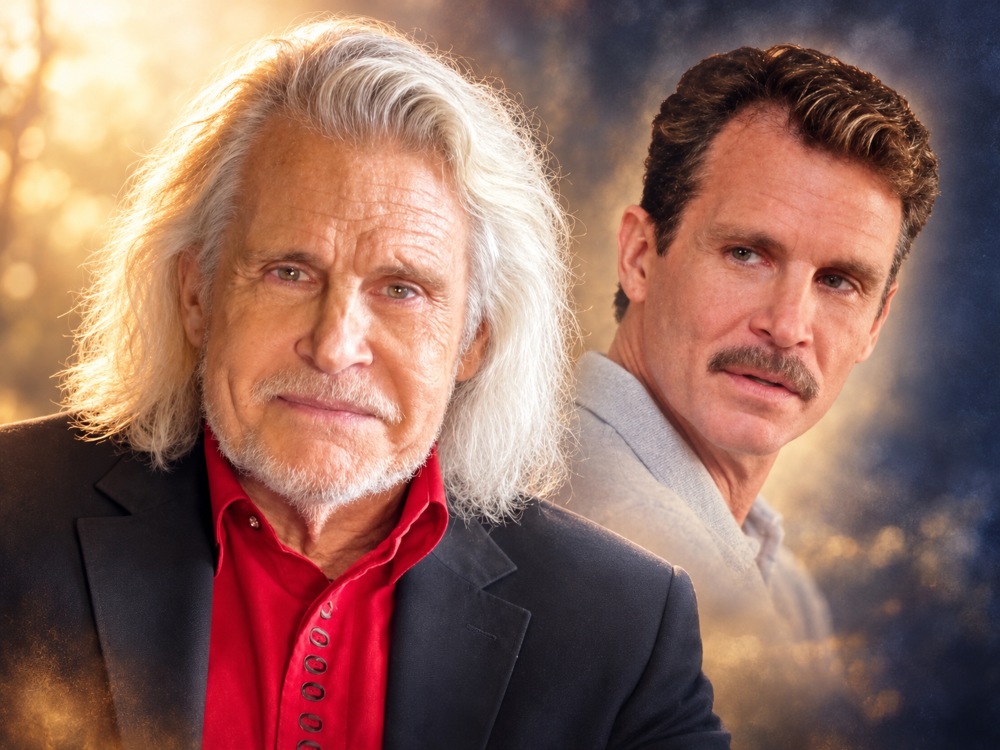

Michael Kearns, one of Hollywood’s earliest openly gay actors and a pioneering openly HIV-positive performer and AIDS activist, has died aged 76.
Actor, writer, director and activist Michael Kearns has died at the age of 76, leaving behind a career that helped push gay visibility and HIV/AIDS activism into spaces that had long resisted both.
Kearns died on Monday 5 October, according to his longtime friend and journalist Karen Ocamb, who reported his death in the Los Angeles Blade. No cause of death has been publicly announced.
Ocamb described a queer theatre and AIDS activist community “stunned” by the loss of an artist who had spent decades using performance as a form of advocacy.
Kearns appeared in films and television including Body Double, And the Band Played On and Life Goes On, but much of his most influential work happened on stage and within Los Angeles’ queer arts community.
One of Hollywood’s earliest openly gay actors
Kearns came out publicly as gay in the 1970s, at a time when being open about homosexuality could effectively end an actor’s mainstream career.
He later became one of the earliest actors in Hollywood to publicly disclose that he was living with HIV.
Kearns had tested positive in 1989, but initially kept his status private because he feared losing work.
That changed in September 1991, when he publicly disclosed his diagnosis on NBC.
“I felt that not one more HIV-infected actor or anyone else should die in shame,” he said at the time.
“I’m doing this for all people with HIV. HIV is nothing to be ashamed of.”
The disclosure came during a period when HIV and AIDS remained heavily stigmatised and many actors feared that coming out as either gay or HIV-positive could destroy their careers.
For Kearns, that silence increasingly became impossible.
“This is really revolutionary what’s going on,” he said. “There’s no way I can’t be a part of it.”
Theatre as activism
Kearns spent decades combining queer storytelling with political and social activism.
His stage work included Dream Man, Night Sweat, The Truth Is Bad Enough, Intimacies and Robert Chesley’s Jerker.
Jerker, which follows two gay men developing an intimate relationship through phone sex during the AIDS crisis, became one of the works most closely associated with Kearns.
His production later generated national controversy when excerpts were broadcast on Los Angeles radio.
Kearns also helped create AIDS/US and AIDS/US II, theatre pieces featuring people living with HIV and AIDS telling their own stories on stage at a time when widespread fear and misinformation still surrounded the virus.
“To me, being an actor has always had to do with social change,” he told the Los Angeles Times in 1992.
“Being an actor and being on a mission are very linked.”
Refusing HIV shame
Kearns’ activism extended far beyond performance.
He co-founded Artists Confronting AIDS, becoming a visible advocate for people living with HIV at a time when many in Hollywood still avoided acknowledging the epidemic.
By 1994, he was openly criticising the entertainment industry for appearing willing to wear red ribbons while remaining reluctant to speak honestly about AIDS itself.
In an essay for the Los Angeles Times, Kearns described himself simply and publicly as an “openly gay, openly HIV-positive actor”.
His willingness to speak openly about both identities made him an important figure in the history of LGBTQ+ representation — particularly during a period when silence around HIV was often driven by fear of discrimination.
Kearns also played an HIV-positive character on Life Goes On, bringing an experience he knew personally into mainstream television.
Family and later life
Kearns married Philip Juwig in 1992. Juwig died later that year.
In 1997, Kearns adopted a daughter, Katherine, and later wrote movingly about gay fatherhood and chosen family.
His life increasingly became an example of how queer family could take many forms — through partners, children, collaborators and the wider LGBTQ+ community.
Even decades after the height of the AIDS crisis, Kearns remained connected to queer theatre and activism.
He had been scheduled to appear at Celebration Theatre’s Circa: Queer Histories Festival on 11 October, where he was due to revisit material from Jerker as part of a National Coming Out Day event.
Celebration Theatre paid tribute to his contribution to queer culture and activism, writing:
“Thank you, Michael, for all you gave this world.”
For a performer who spent much of his career insisting that being seen could itself be an act of resistance, Kearns leaves behind a legacy built on exactly that: refusing silence, telling queer stories and speaking openly about HIV when doing so carried enormous personal and professional risk.