









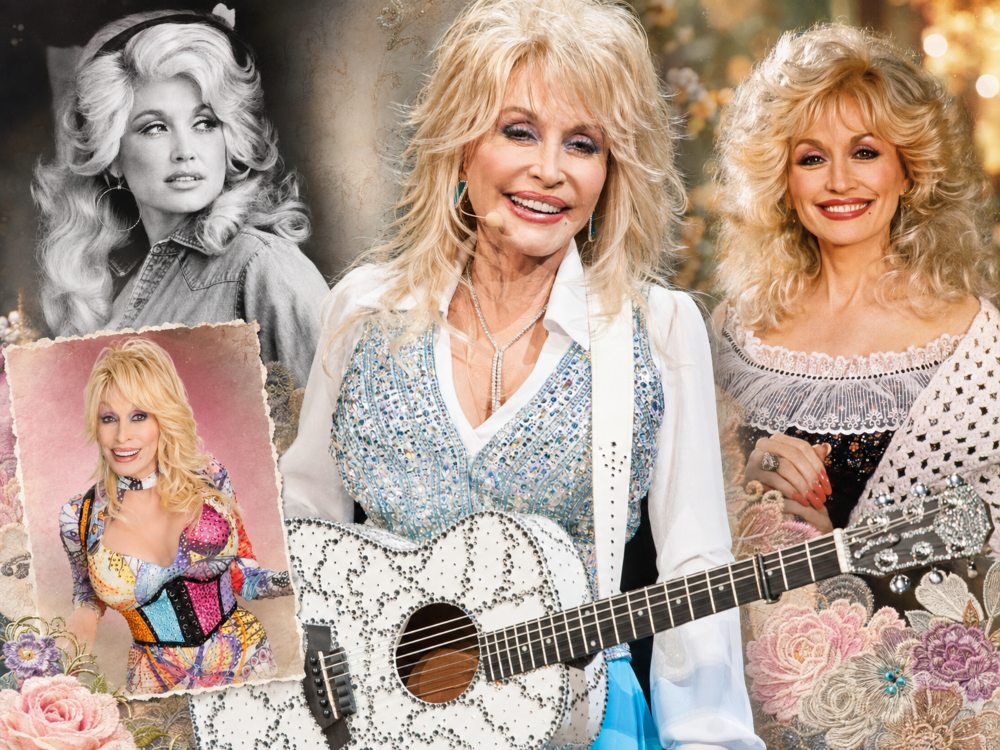

Country music legend Dolly Parton has died aged 80, leaving behind one of the most influential careers in modern music and a deeply cherished relationship with generations of LGBTQ+ fans.
Dolly Parton has died aged 80.
The country music superstar died peacefully in Nashville on 25 August 2026, according to an announcement made by her family.
News of her death was shared through a video posted to Parton’s official social media accounts, with her nephew Brian Seaver speaking on behalf of the Parton and Owens families.
“My name is Brian Seaver, son of Cassie Parton, and I’m representing the Parton and Owens family today announcing the passing of my aunt, Dolly Rebecca Parton Dean,” he said.
Seaver explained that Parton herself had asked him years earlier to make the announcement when the time eventually came.
The cause of her death has not been publicly disclosed.
For millions of fans around the world, the loss marks the end of an extraordinary life that stretched far beyond country music.
For LGBTQ+ audiences, it also means saying goodbye to a woman who spent decades offering something deceptively simple but deeply meaningful: acceptance.
Health Concerns Had Grown Over The Past Year
Parton had been open about experiencing health problems during the final year of her life.
In September 2025, she postponed a planned Las Vegas residency after doctors advised her that she needed several medical procedures.
She later cancelled further appearances in 2026 as she continued dealing with health issues.
Parton had also been grieving the death of her husband, Carl Dean, who died in March 2025 after nearly 59 years of marriage.
In the days before her death, she spoke publicly about having gone through a difficult period with her health.
Despite those challenges, Parton continued working on music, philanthropic projects and plans connected to a Broadway musical about her life.
From Rural Tennessee To Global Stardom
Dolly Rebecca Parton was born on 19 January 1946 in rural Tennessee, one of 12 children.
Raised in a family with little money but a strong musical tradition, she began performing as a child and moved to Nashville immediately after finishing high school in 1964.
Her major breakthrough came when she joined The Porter Wagoner Show in 1967.
The partnership helped introduce her to a national audience, but Parton soon established herself as a formidable songwriter and solo performer in her own right.
When she decided to leave Wagoner’s programme, she wrote “I Will Always Love You” as a farewell.
The song became one of the defining compositions of her career and was later transformed into an enormous international hit by Whitney Houston.
Parton’s catalogue would eventually include classics such as “Jolene”, “9 to 5”, “Coat of Many Colors”, “Here You Come Again” and “Islands in the Stream”.
Her songwriting combined humour, heartbreak, working-class stories and emotional directness with an unmistakable voice.
Dolly Became Much More Than A Country Singer
Parton’s career expanded effortlessly beyond music.
She became a successful actor through films including 9 to 5, The Best Little Whorehouse in Texas and Steel Magnolias.
She built Dollywood into one of Tennessee’s best-known tourist attractions.
She became a producer, entrepreneur and philanthropist.
And she turned the exaggerated blonde wigs, rhinestones, towering heels and unapologetically glamorous wardrobe that some people once mocked into one of the most recognisable visual identities in popular culture.
Parton was always in on the joke.
Her humour about her appearance helped transform what could have been dismissed as excess into something closer to performance art.
That larger-than-life image would also become one of the reasons drag performers embraced her so enthusiastically.
Why Dolly Parton Became A Gay Icon
Few country artists built a relationship with LGBTQ+ audiences quite like Dolly Parton.
Drag queens have impersonated her for decades.
Her songs fill gay bars and Pride playlists.
Her enormous hair, rhinestones, self-deprecating humour and theatrical femininity made her naturally compatible with camp.
But the affection went much deeper than aesthetics.
Parton repeatedly made clear that she loved and respected her LGBTQ+ fans.
She once proudly described having a “huge gay following”, joking that some drag queens looked more like Dolly Parton than she did.
She also spoke openly about gay and lesbian people in her own family and workplace, saying they were loved and embraced rather than treated as outsiders.
That mattered particularly because Parton occupied a rare cultural position.
She was deeply rooted in Southern Christianity and country music while refusing to use either as an excuse to condemn queer people.
She Supported Marriage Equality
Parton publicly backed the right of same-sex couples to marry years before marriage equality became nationwide law in the United States.
Her position was characteristically uncomplicated.
People should be able to be who they are and love who they love.
For queer fans accustomed to hearing religious or country-music figures frame their identities as a moral problem, that message carried considerable weight.
Parton rarely presented herself as a political activist.
Instead, she returned repeatedly to a personal philosophy centred on love, individual dignity and refusing to judge other people.
It was precisely that consistency that helped make her allyship feel genuine to many LGBTQ+ fans.
Dolly Also Spoke Up For Trans People
Parton’s support extended to transgender people.
During the controversy surrounding North Carolina’s anti-trans bathroom law in 2016, she rejected the idea that transgender people should be treated without dignity.
She said everyone deserved respect and should have the opportunity to be who they are.
Years later, when Tennessee lawmakers pursued measures targeting transgender people, Parton again stressed that people should be treated well and respected for who they are.
Those comments were not detailed policy platforms.
They were, however, notably compassionate at moments when trans people were being turned into political targets.
For a celebrity with an enormous conservative and Christian fanbase, saying that publicly was significant.
Drag Queens Loved Her — And She Loved Them Back
Parton’s relationship with drag culture became legendary.
She once entered a Dolly Parton drag lookalike contest herself — and lost.
According to Parton, she exaggerated her own makeup and appearance and joined a lineup of Dolly impersonators without revealing who she actually was.
The audience apparently assumed she was another drag queen and gave her less applause than the competition.
Parton found the whole thing hilarious.
The anecdote perfectly captured why she connected so strongly with queer audiences.
She understood camp.
She did not take herself too seriously.
And she never appeared threatened by seeing queer performers exaggerate the exaggerated persona she had already created.
Instead, she celebrated them.
‘I’ve Fought For The Right To Be Myself’
Perhaps the clearest explanation for Parton’s LGBTQ+ following came from Parton herself.
She repeatedly spoke about knowing what it was like to be considered different.
Her clothes were too loud.
Her hair was too big.
Her ambition was too obvious.
Her femininity was too exaggerated.
And rather than shrinking herself to become more acceptable, she turned those qualities into her greatest strengths.
Parton said gay and lesbian fans may have related to her because she had also “fought for the right to be myself”.
That connection is easy to understand.
Queer culture has long celebrated people who refuse to make themselves smaller simply because the world finds them excessive.
Dolly Parton built an empire out of being excessive.
Her Philanthropic Legacy Was Enormous
Parton’s generosity extended far beyond LGBTQ+ causes.
Her Imagination Library became one of the world’s largest childhood literacy programmes.
Founded in 1995 in her home county in Tennessee, the initiative sends free books to young children regardless of family income.
By the end of 2025, the programme had distributed more than 304 million books across the United States, Canada, the United Kingdom, Australia and Ireland.
Parton also famously donated US$1 million to Vanderbilt University Medical Center during the COVID-19 pandemic, helping fund research that contributed to the development of Moderna’s vaccine.
Her charitable work supported disaster relief, education, healthcare and communities across her home state and beyond.
Much like her LGBTQ+ allyship, Parton rarely presented philanthropy as a performance of virtue.
She simply kept doing it.
An Unusually Broad Cultural Legacy
Parton achieved something very few artists ever manage.
She belonged almost everywhere without seeming to compromise who she was.
Country audiences loved her.
Pop audiences loved her.
Queer audiences claimed her.
Christians admired her.
Drag queens impersonated her.
Songwriters studied her.
Generations of children received books with her name attached.
Her career lasted more than six decades because there was never really anyone else who could fill the same space.
Parton could be deeply sincere and knowingly ridiculous within the same sentence.
She could perform in rhinestones while writing songs about poverty.
She could talk openly about cosmetic surgery while also producing painfully vulnerable songs about family, heartbreak and loneliness.
That combination made her difficult to imitate, despite the many people who tried.
A Queer Icon Without Needing To Be Queer
LGBTQ+ communities have always created their own pantheon of icons.
Some are queer themselves.
Others become part of queer culture because something about their art, resilience, glamour or outsider status resonates.
Dolly Parton belonged firmly in the latter category.
But what helped separate her from celebrities who merely enjoy gay popularity was that she repeatedly returned that affection.
She did not simply accept having LGBTQ+ fans.
She publicly defended their right to live authentically.
She welcomed drag queens.
She supported same-sex couples.
She stood up for trans people.
And she did so while maintaining the Southern Christian identity that was fundamental to who she was.
That mattered.
It showed that faith and acceptance did not have to be opposites.
The Music Will Always Remain
There will be countless ways to remember Dolly Parton.
As one of the greatest country songwriters ever.
As the woman behind “Jolene”.
As the songwriter who gave the world “I Will Always Love You”.
As Doralee Rhodes in 9 to 5.
As the businesswoman behind Dollywood.
As the philanthropist who put hundreds of millions of books into children’s hands.
And, for generations of LGBTQ+ fans, as the glamorous blonde country star who looked at queer people and saw human beings deserving love rather than judgement.
Dolly Parton spent much of her life saying she wanted people to be allowed to be themselves.
She certainly lived by that principle.
Unapologetically loud.
Unmistakably kind.
And entirely Dolly.
She was 80.