








Jess Lewthwaite is trying to embrace reclamation, but some wounds take time to heal.
I remember the first time someone called me a dyke. I was on the school bus, which I always hated. The school bus was where a lot of my bullying happened because you are trapped there, and all the kids were basically unsupervised. I lived about an hour away from my high school, so I was trapped for a long time, and bullying was a pretty standard way to fight the boredom for some.
I was about 13, and one of the cool kids came and sat next to me, which everyone who has ever been bullied knows is not a good thing. He pulled an X-rated magazine out of his backpack and started flipping through it, holding up pictures to me. After very resentfully pausing Evanescence on my Discman, I turned to him and asked him what he was doing. He looked me in the eyes with a massive smile on his face and said, “I thought you’d like it, you’re a dyke!”
Now, while my Gen Z readers go and quickly Google what a Discman is, I’ll explain that I think it is a very common experience for lesbians to have had the word dyke used against us like this — as a slur. But something I’m noticing more and more is the use of this word by our community to describe ourselves, our events and our style. Almost like an umbrella or banner we are rallying to. So reclaiming slurs is nothing new, but before we fully embrace the word, I wanted to examine the impact a little closer.
History time! Learning is fun.
There isn’t a tidy origin story for “dyke”. The best guess is that it grew out of “morphadike”, a butchered 19th-century way of saying “hermaphrodite”, also a slur, aimed at women who weren’t femme-ing correctly enough for whoever was watching. By the early 1900s, the meaner cousin “bulldyke” was already doing the rounds, and for decades after, the word stayed as a weapon used against us, not claimed by us.
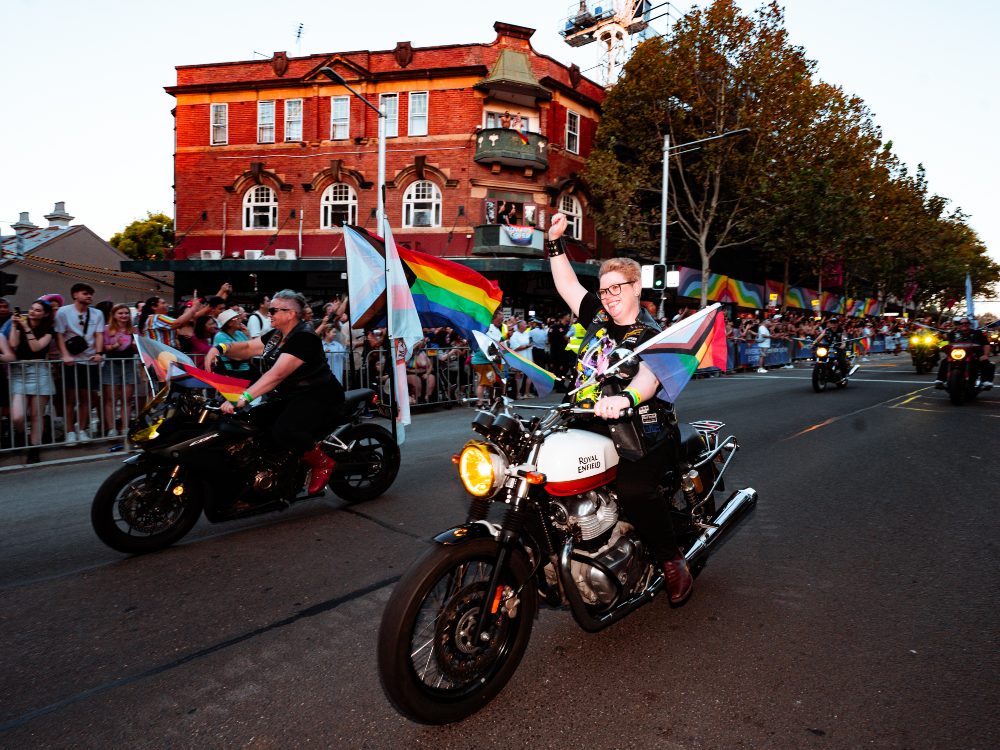
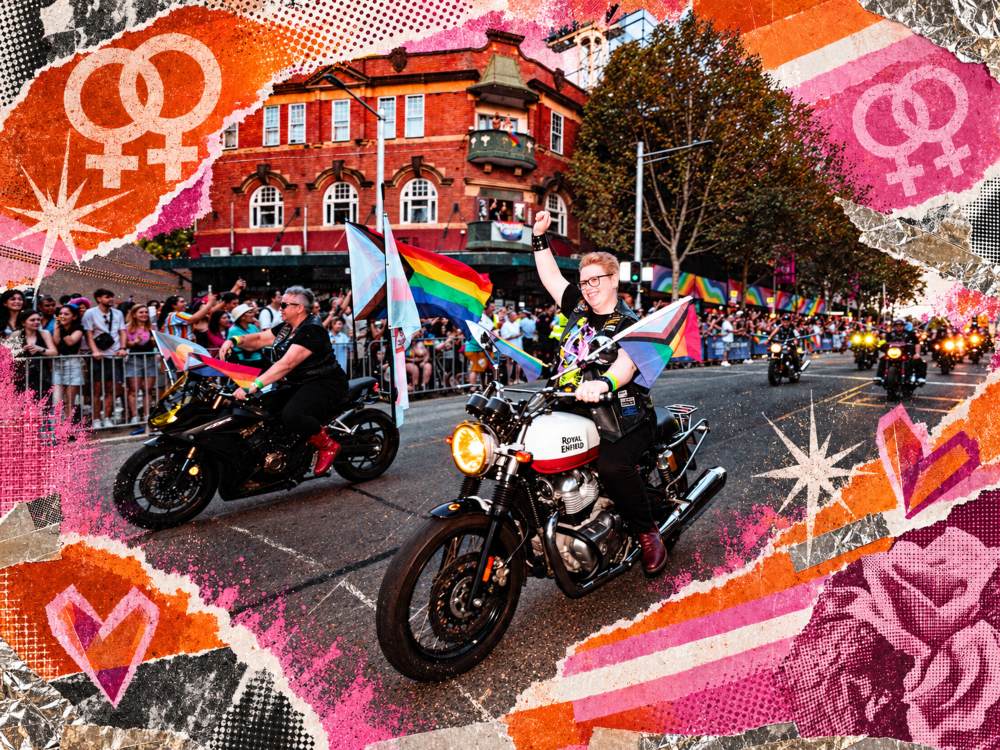
Then the ’70s happened, and lesbian feminists did what we do best: took something meant to hurt and refused to let it. It got reworked into shorthand for a woman who’s tough, independent and not asking permission from anyone. That same decade gave us Dyke Marches, Dykes on Bikes revving down parade routes, and Alison Bechdel’s comic strip “Dykes to Watch Out For” carrying it straight into queer pop culture. So this reclamation isn’t new at all.
Younger lesbians have largely grown up with “dyke” already softened by decades of reclamation work, so a lot of them use it the way you’d use “lesbian” or “sapphic”, casually and without much weight attached. For plenty of women my age and older, though, the word still carries the exact tone of the person who yelled it at us from a moving car in 2003, and no amount of Gen Z reappropriation erases that memory. So are my ‘Discman’ and I just old and out of touch?
My advice to our younger community members is to lead with kindness. If you see an older lesbian squirm when you use the word, just know we are reacting to how others have used it, not how you use it. We understand it is still a slur in the wrong mouth, but still very much ours to use in the right one.