


Gareth Watkins reflects on November events that highlight how far we have come.
5 November 1912
Thomas Parkes died in hospital after giving birth in a boarding house in Dunedin. The night before, they had returned to their room feeling unwell and gone to bed. During the night, other residents heard groaning from the locked room. The following morning, another boarder entered and found Parkes unconscious, with a newborn daughter nearby. The baby had been born alive but had died by the time the room was entered. Still unconscious, Parkes was taken to hospital, where they died later that day.
Parkes had been living and working publicly as a man, yet newspapers quickly sensationalised the story, portraying this as deception. However, further evidence at the inquest showed that Parkes had used male names and lived publicly as a man both in New Zealand and earlier in Australia. The inquest also heard that Parkes had reportedly told an acquaintance in Invercargill that they were neither a boy nor a girl.
8 November 1978
The Press reported on a National Gay Rights Coalition survey of nearly 300 residents in Christchurch’s Papanui electorate. Sixty per cent supported decriminalising sex between men, although preferred ages of consent ranged from 16 to over 20. More than 60 per cent supported protecting homosexual people from discrimination under the Human Rights Commission Act 1977, with another 24 per cent favouring protections with exceptions.
In a 2013 interview, survey coordinator Robin Duff recalled an early survey in which only around 16 per cent supported decriminalisation on equal terms. Although the surveys asked different questions, Duff recalled activists increasingly framing the conversation in terms of human rights. It was “a much easier argument to run”, he said, than discussing sexual activity, which invited objections based on religion and morality.
Consensual sex between men was finally decriminalised in 1986, while anti-discrimination measures followed under the Human Rights Act 1993.
11 November 2021
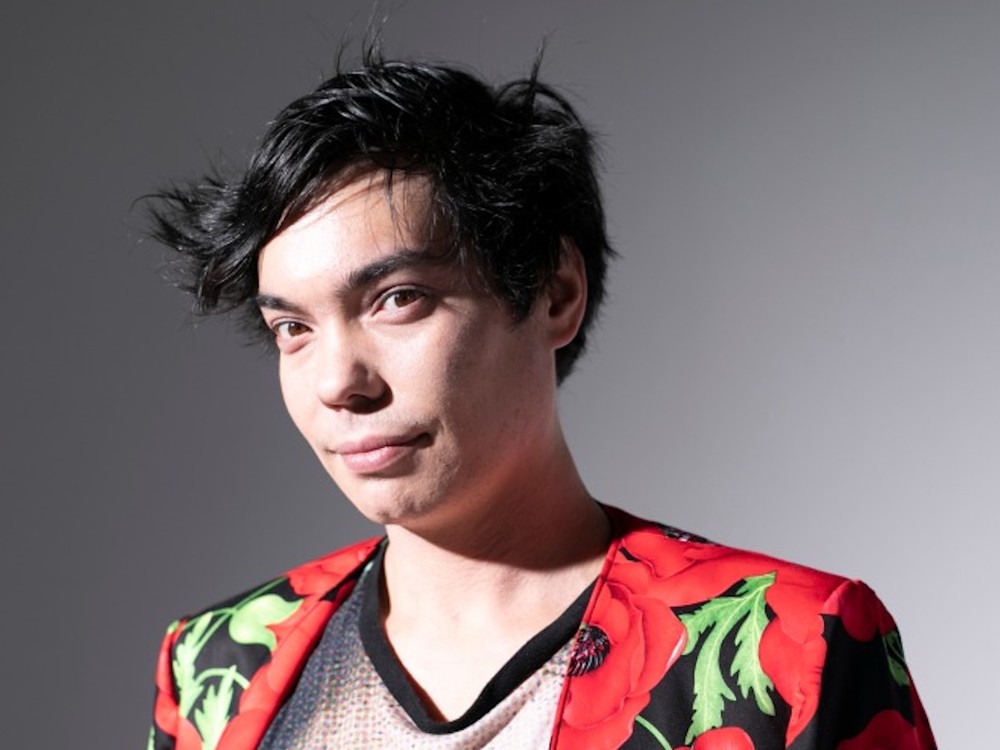
Out Here, a landmark anthology bringing together 69 New Zealand writers from diverse takatāpui and rainbow communities, was published by Auckland University Press. The anthology was edited by Chris Tse and Emma Barnes, who reflected on growing up in the 1990s, when being open about sexuality or gender could carry significant risks.
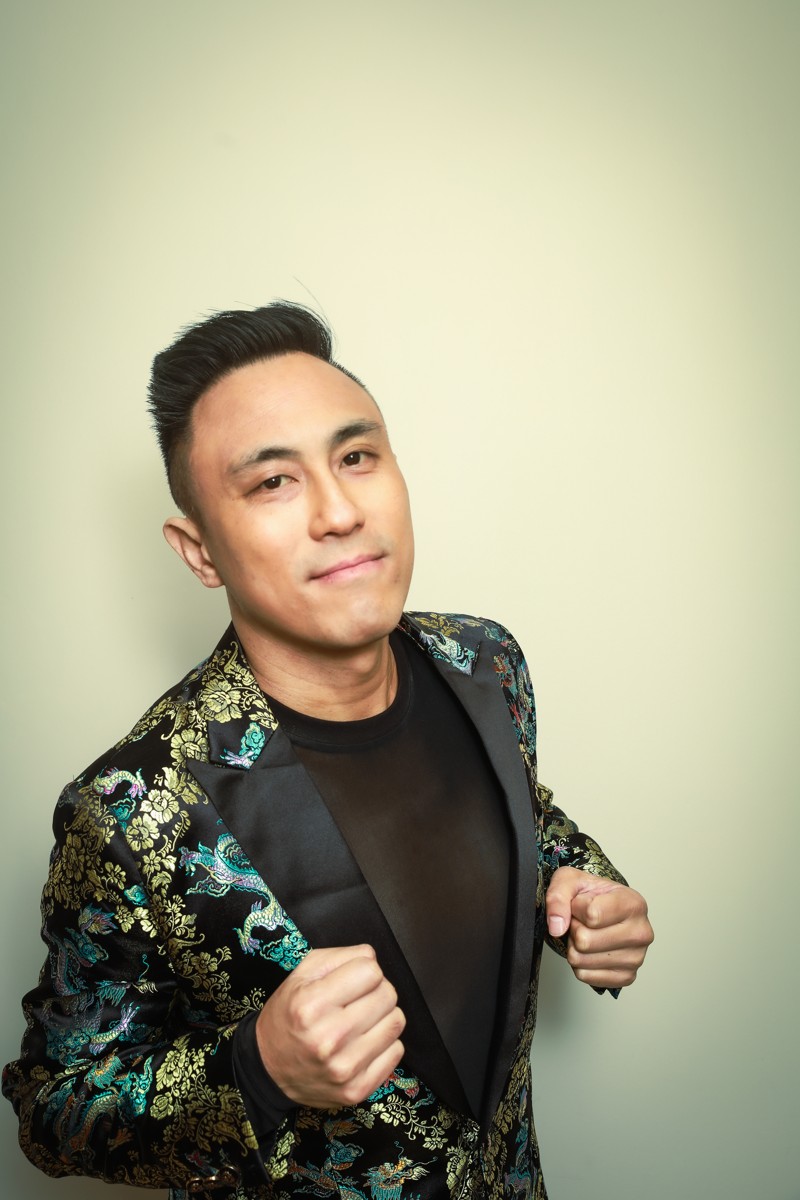
They recalled how hiding their identities had seemed the safest option before asking: “But how to find your community if you’re hidden?” They issued an open call for contributions and were inundated with submissions, considering work from around 230 writers.
The anthology also challenged assumptions about what a queer story could be. Tse told The Spinoff that queer writing “isn’t just coming out stories and tragedy”. Long-time bookseller Carole Beu, of The Women’s Bookshop, reflected that she had never imagined a publication like this could exist. “It’s the past and the future. It’s a taonga. These writers have claimed their space.”
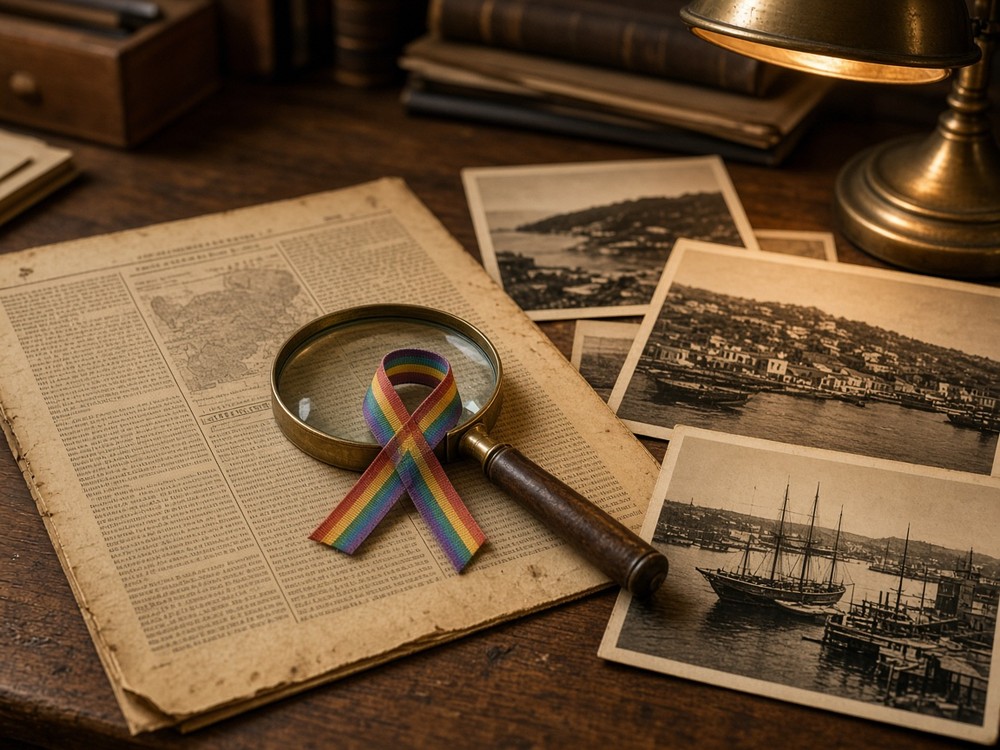
Heritage Spotlight: The Hocken Collections, University Of Otago Library, Dunedin
Its rainbow-related holdings include the papers of lesbian feminist activist Yoka Neuman, who founded the Lesbian Mothers Defence Fund in 1979 to support mothers facing discrimination and custody battles. Photographs from the David Wildey collection document gay men’s relationships, outings and everyday lives before homosexual law reform. The archives also preserve material relating to playwright Robert Lord, novelist James Courage and poet and Landfall founder Charles Brasch.
Another fascinating online resource at the Hocken is a large digitised collection of NZ Truth newspaper posters designed to entice people to buy the weekly tabloid. One striking poster from 1974 refers to entrepreneur and brothel owner Carmen Rupe, proclaiming “CARMEN AND ‘UNRESISTING’ TEENAGE CONSTABLE”.